Hobbies tend to enter our lives quietly. Most of the time, we don’t choose them because they sound impressive or useful. We choose them because, for some reason, they fit. They settle into our days without asking for much, and over time, they start to shape how those days feel.
What’s interesting is that not all hobbies do this equally. Some come and go quickly. Others stay for years, even when enthusiasm fades. The difference usually has less to do with talent or discipline and more to do with how the activity interacts with time, attention, and effort. That’s what’s worth looking at.
The difference between passing time and shaping it
Many hobbies begin as ways to pass time. There’s nothing wrong with that. But some activities remain lightweight, while others slowly gain weight. They leave a trace. You remember them differently.
This often happens when a hobby asks for a certain kind of engagement, not intensity, but continuity. Something you can return to without re-learning it each time. Something that doesn’t punish inconsistency. Pastimes that work this way don’t demand passion. They reward familiarity.

Why structure matters more than motivation
A common assumption is that hobbies last because people are motivated. In reality, motivation is unreliable. Structure is what carries things forward when motivation drops.
Activities with some built-in structure tend to survive longer. Cooking, for example, has a natural flow. You start with ingredients, follow steps, adjust as you go, and eventually stop. DIY projects work similarly. There’s a clear moment when the task ends, even if the result isn’t perfect.
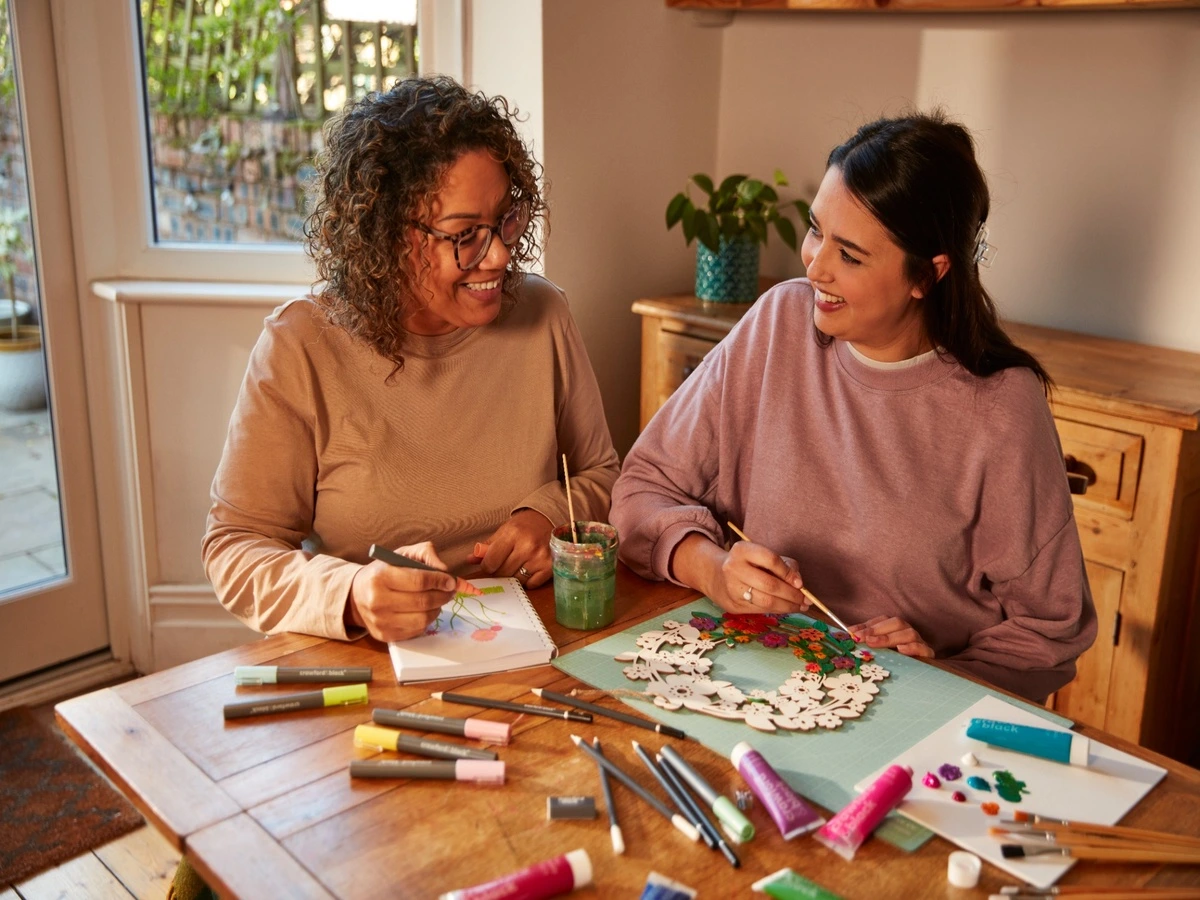
Paint by numbers fits into this category as well. Not because it’s inherently better or more creative, but because the structure removes certain decisions. You don’t invent the process; you follow it. That makes it easier to continue without needing constant enthusiasm.
This isn’t about ease. It’s about sustainability.
How hobbies relate to attention
Another reason some hobbies stay with us is the way they use attention. Activities that require full performance tend to exhaust quickly. Those that allow partial attention, where you can be present without being consumed, are easier to live with. Reading a few pages. Watering plants. Working on something familiar.
Over time, these hobbies become less about progress and more about rhythm. You don’t measure improvement. You measure return. That’s often when a hobby stops feeling like an activity and starts feeling like part of the landscape of your life.
Completion without pressure
There’s also something important about hobbies that allow completion without evaluation. Finishing something, even something small, creates a sense of closure that many parts of modern life lack. Messages remain unanswered. Tasks reopen themselves. Digital experiences rarely end cleanly.
Hobbies that do end, a cooked meal, a finished object, a completed canvas, offer a contrast. Not a dramatic one, but a steady one. You begin, you work, you stop. Nothing asks to be optimized or shared. That kind of ending changes how time is remembered.
Why no single hobby works for everyone
It’s tempting to look for the “right” hobby, but that’s usually the wrong question. Different people need different things from their leisure. Some need quiet repetition. Others need experimentation. Some want visible results. Others want the act itself. This is why comparing hobbies rarely makes sense. What sustains one person may exhaust another.
The more useful question is whether a hobby fits the shape of your life as it actually is — not the one you imagine having later.
Choosing hobbies with realism
The hobbies that last tend to respect real schedules. They don’t require long uninterrupted blocks of time or constant progress. They allow stopping and returning without penalty.
That’s often why certain pastimes stay present even when life changes. They adapt. They don’t insist. And over time, that flexibility matters more than excitement.
What hobbies quietly offer
At their best, hobbies don’t transform you. They steady you. They give time a different texture. They create small, contained spaces where effort has limits and attention has somewhere to rest. They don’t compete with the rest of life. They sit alongside it. That may not sound dramatic, but it’s often enough to make something worth keeping.