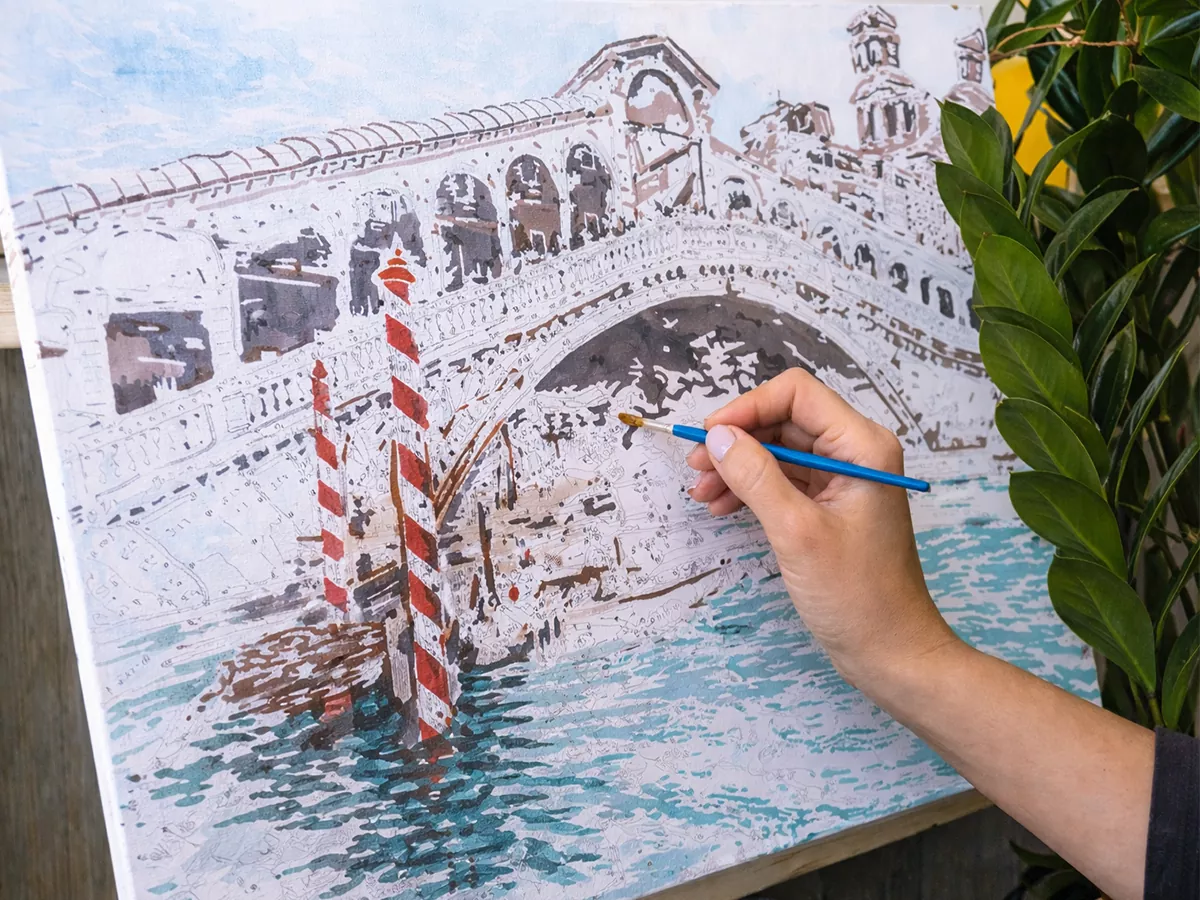
A Practical Guide to Custom Paint by Numbers Basics
Custom paint by numbers looks simple, and in many ways it is. But the difference between an enjoyable project and a frustrating one usually comes down to a few basic things people don’t think about at the start. This practical guide isn’t about being perfect or artistic. It’s about avoiding the small mistakes that make the process harder than it needs to be.

Start with the canvas, not the paint
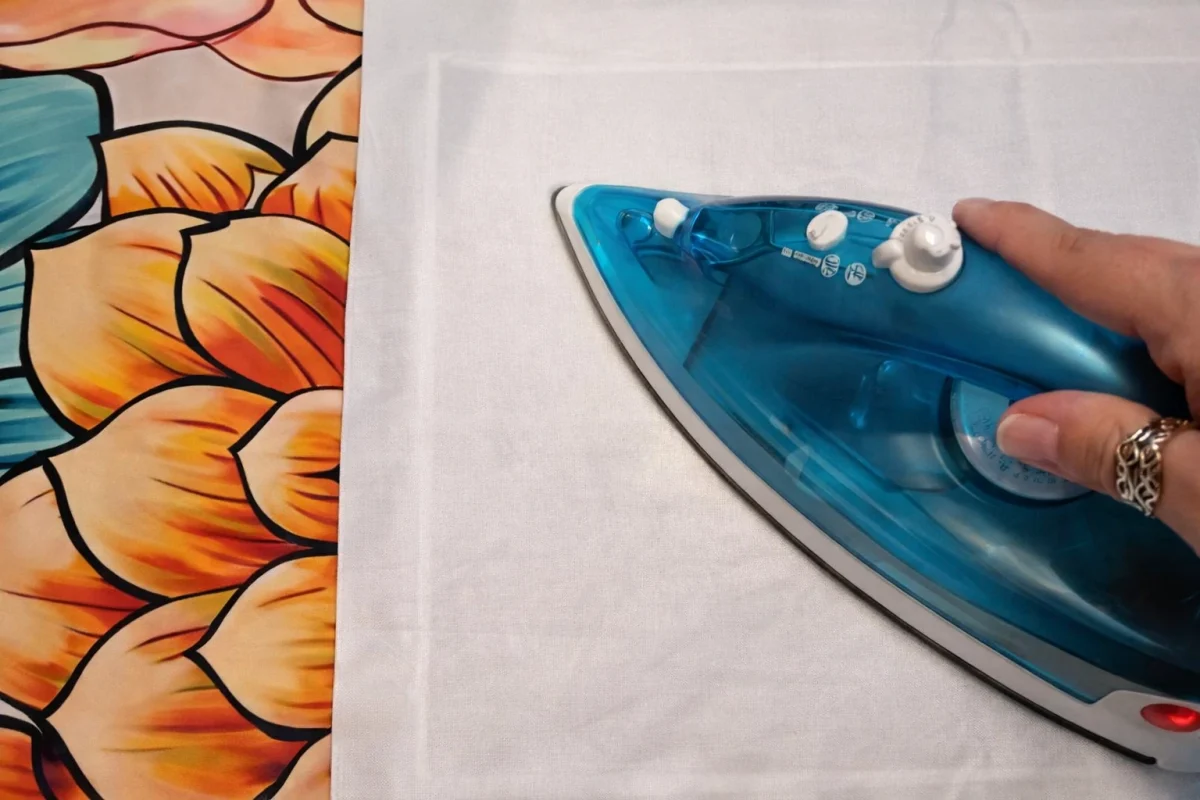
Most custom canvases arrive rolled. That’s normal. Wrinkles are part of shipping, not a flaw in the product. What matters is what you do next. Painting on a wrinkled canvas feels awkward. The brush skips, lines look uneven, and paint doesn’t settle the way it should. Flattening the canvas before you begin makes everything else easier. If you’re comfortable with an iron, that’s usually the fastest solution. Lay the canvas face down on a thick towel, lightly dampen the back, and use medium heat. Keep the iron moving and don’t press too hard. The fabric relaxes quickly. If you’d rather avoid heat, stretching works too. Place the canvas face down, mist the back lightly, and gently pull it flat by hand or roll it with something clean. Let it dry fully before painting.
Treat the kit with a bit of care
The kit isn’t fragile, but it’s not something to be careless with either.
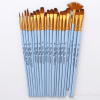
Acrylic paint dries quickly once it’s exposed to air. Leaving paint pots open while working on another color is how paint thickens and becomes annoying to use. Closing the lids when you’re not using them avoids that problem. Brushes make a bigger difference than people expect. Rinse them when you change colors, and don’t leave them sitting in water. That’s how bristles lose their shape. A proper rinse at the end of the day and letting them dry flat keeps them usable. Mistakes are normal. Painting the wrong color happens. The easiest fix is to let it dry and paint over it. Trying to correct it while it’s still wet usually creates more mess than it solves.
Set up your space before you begin
A bad setup doesn’t ruin a painting, but it makes the process tiring.
Good light matters. You need to see numbers and edges clearly without straining your eyes. A protected surface matters too, so you’re not worried about colorful spills. Having water and a paper towel within reach makes you more likely to clean brushes properly instead of rushing. This practical guide wouldn’t be complete without saying this: comfort affects patience. If your setup feels annoying, you’ll rush. If it feels easy, you’ll slow down naturally.
Work in a way that reduces mistakes
Jumping randomly around the canvas feels productive, but it often leads to smudges and uneven color. Working color by color is usually easier. Finish one color, let it dry, then move on. It keeps things consistent and reduces accidental mixing. Painting from the top of the canvas downward helps prevent dragging your hand through wet paint. Starting with larger areas before tiny details also makes sense. By the time you reach small sections, your hand is steadier and you understand how the paint behaves.

Take your time, but don’t overthink it
Some people finish a painting in a weekend. Others work on it for weeks. Neither approach is better. Paint by numbers works best in short sessions. Paint until you feel tired or distracted, then stop. Coming back later with fresh eyes often improves the result more than pushing through. If tiny areas are difficult, a magnifying glass helps. If brush control feels awkward, practicing a few strokes on paper before continuing can save cleanup later.
A Practical Guide to Dealing with Visible Numbers
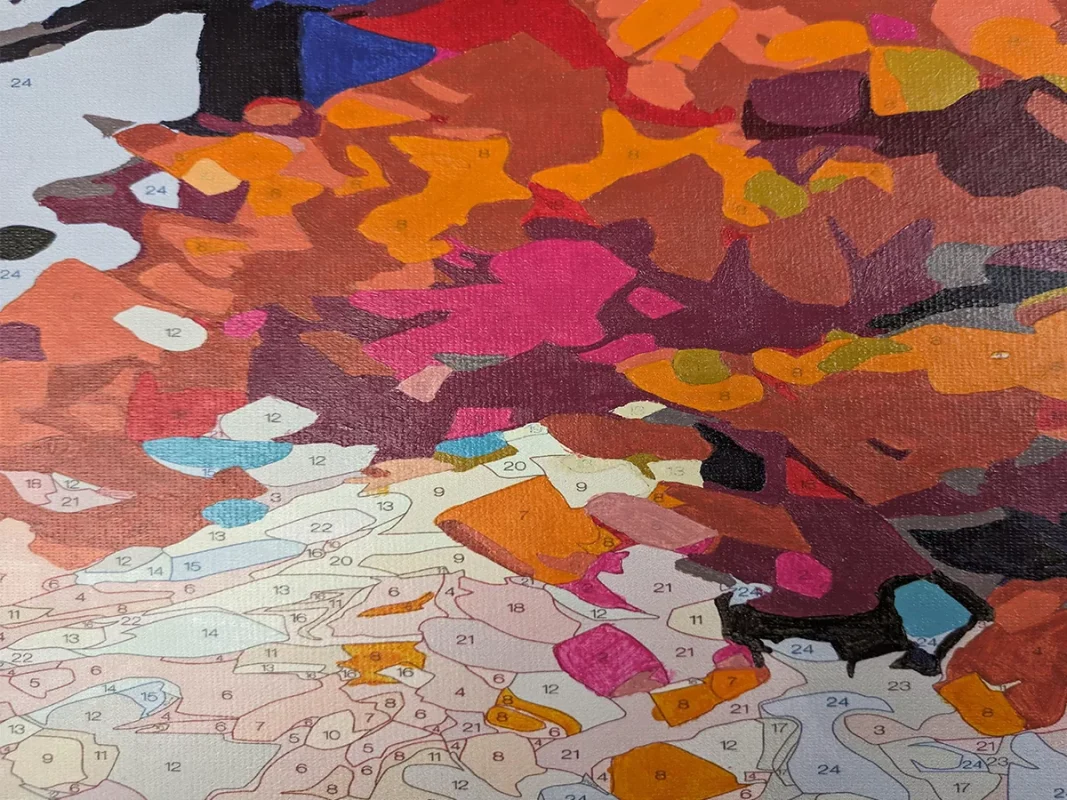
Seeing numbers after the first coat doesn’t mean something went wrong. Light colors often need a second layer. That’s just how acrylic paint works. The mistake is trying to cover everything in one thick pass. Thick paint spills over edges and looks uneven when it dries. Thin layers, patience, and letting paint dry fully between coats usually give the cleanest result. Keep the reference sheet nearby so you can double-check areas you’ve already covered.
When painting from a photo feels different
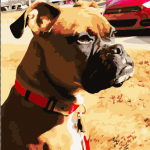
Custom paint by numbers doesn’t aim to recreate a photo perfectly. The image is adjusted so it can actually be painted. Details are simplified on purpose. Colors are balanced so the process stays easy and manageable. Accepting that early makes the experience smoother. The goal isn’t an exact copy. It’s a finished painting that looks good and feels satisfying to complete. That’s really the point of this practical guide, understanding what matters and letting go of what doesn’t.
One honest thing to remember
Paint by numbers isn’t about talent. It’s about patience.
Some areas will look better than others. Everyone’s does. If the process feels calm and steady, you’re doing it right.