Claude Monet never aimed to record the world exactly as it stood. Instead, Claude Monet art focused on how a moment felt as it passed. Light shifted, colors softened, and nothing stayed perfectly still. That choice separated him from his contemporaries and quietly reshaped the future of painting.
Claude Monet’s works of art welcomed uncertainty rather than striving for perfect lines, shadows deepened, and brushstrokes kept being evident. As a result, rather than seeming controlled, his art felt alive. What started off as a personal practice for experiencing nature swiftly developed into the cornerstone of the Impressionism art movement.
From Rejection to Recognition: How Claude Monet Art Changed Direction
In the late nineteenth century, the art establishment valued precision and polish. Paintings were expected to appear finished and timeless. Claude Monet art challenged that expectation head-on.
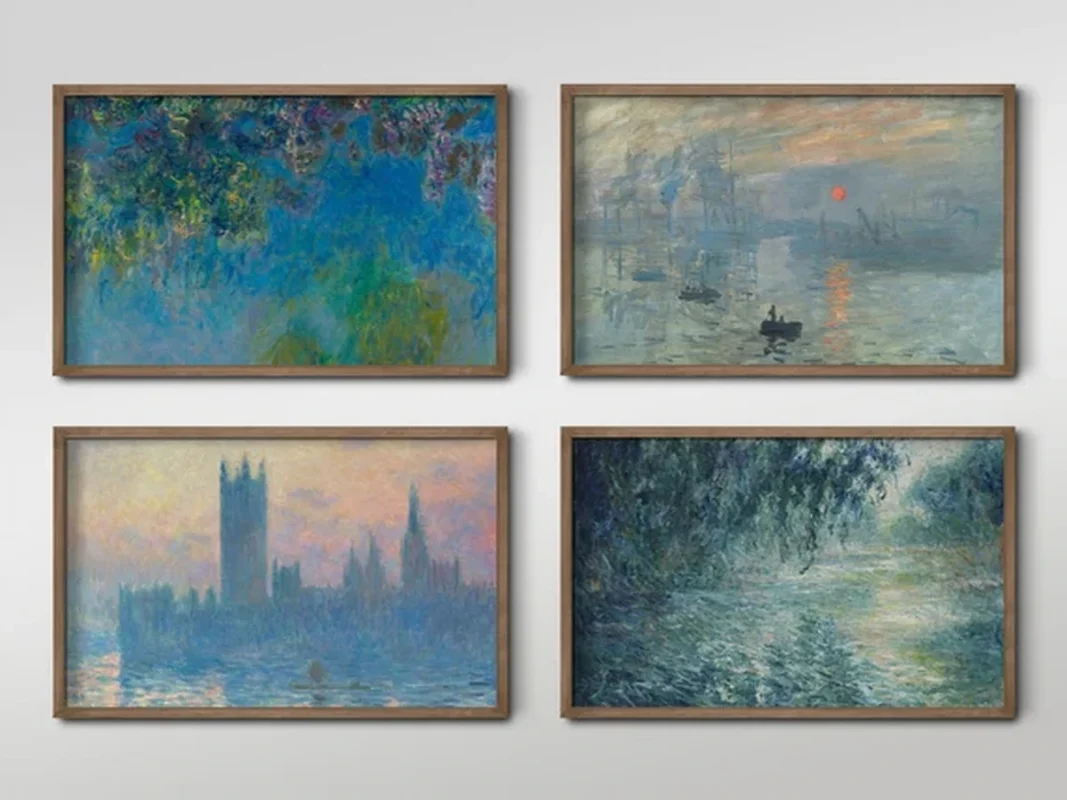
When Impression Sunrise was first exhibited, critics dismissed it as careless and incomplete. Yet that criticism unintentionally named an entire movement. Over time, viewers began to see what critics missed. These paintings captured atmosphere rather than detail, experience rather than accuracy.
Because of that shift, Claude Monet art helped audiences understand that emotion could stand beside technique without apology.
Light as the True Subject in Claude Monet Art
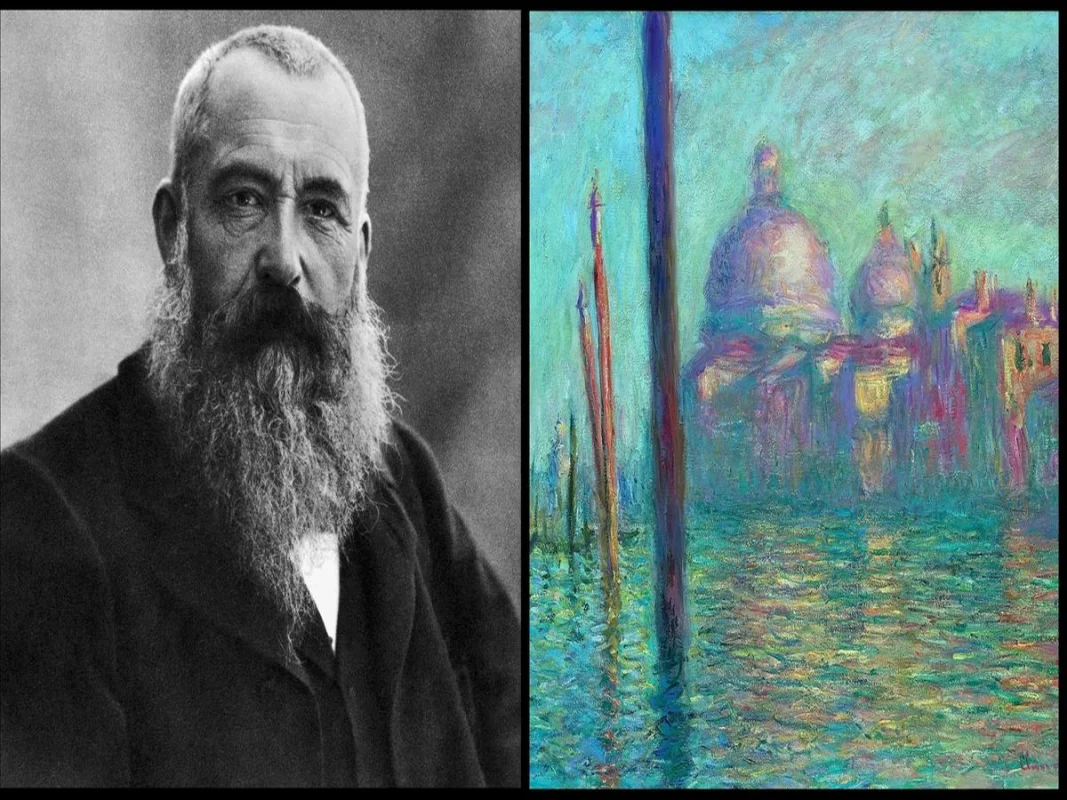
Objects were never Monet’s true focus. Instead, Claude Monet art revolved around light, reflection, and time. A haystack at dawn told a different story than the same haystack at dusk. Fog softened forms. Sunlight altered color.
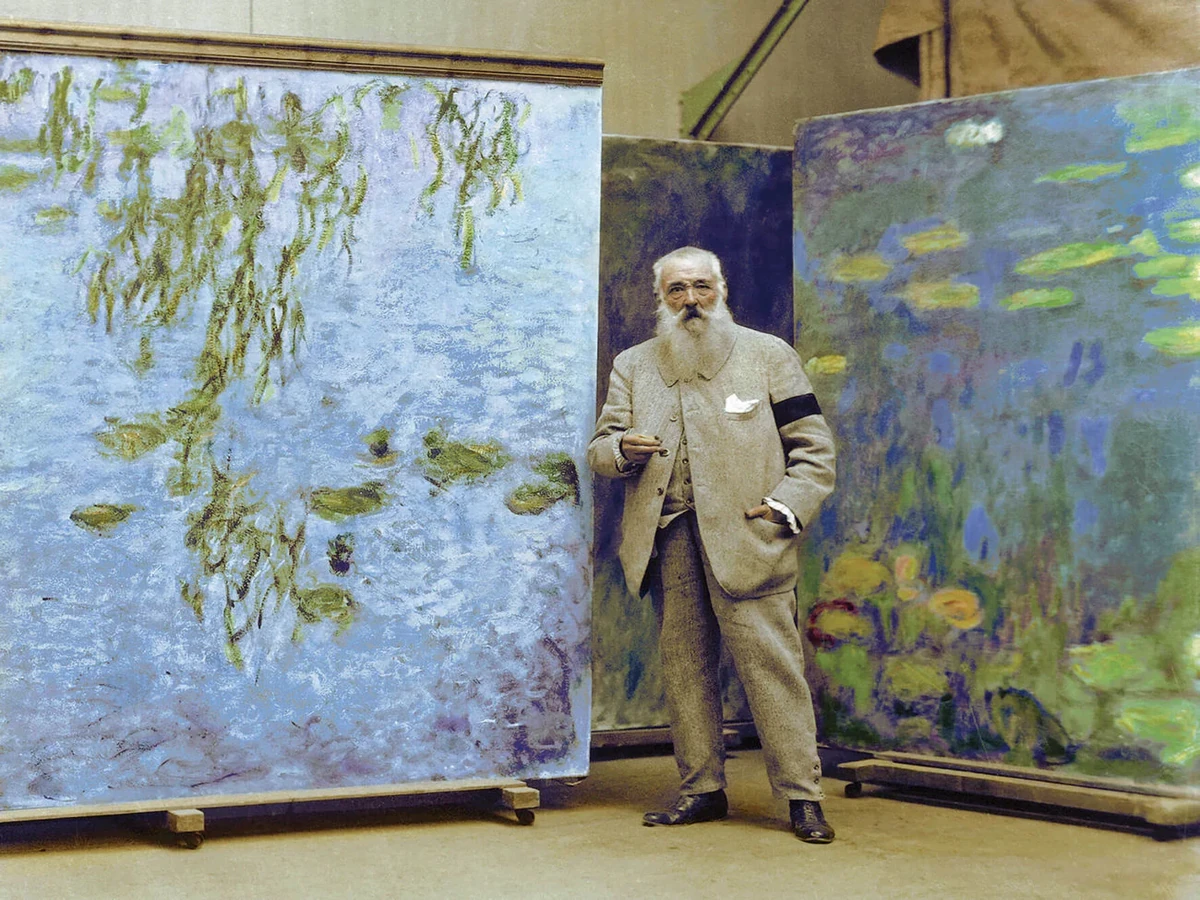
That explains why Monet painted the same scenes repeatedly. Each canvas became a record of change. Later, his garden in Giverny offered endless variation. The water, plants, and sky reflected one another, dissolving boundaries between subject and setting.
In these later works, Claude Monet art becomes almost meditative. The Water Lilies series does not ask to be analyzed. It asks to be felt.
Breaking Artistic Rules Without Losing Beauty
Before Monet, painting followed strict academic standards. Lines remained sharp, and colors behaved predictably. Claude Monet art loosened those constraints while preserving harmony.
This freedom inspired a generation of artists. Van Gogh pushed color further. Cézanne explored structure. Matisse embraced bold expression. All of them found permission in Monet’s willingness to trust instinct.
By choosing feeling over control, Claude Monet masterpieces expanded what painting could be without rejecting beauty itself.
Painting Through Change, Loss, and Time
As Monet aged, his eyesight deteriorated. Instead of stopping, he adapted. Forms softened. Colors deepened. Precision mattered less than emotion.
These later works reveal the most human side of Claude Monet art. He painted what remained when clarity faded. Because of that, his canvases grew more abstract and quietly opened the door to modern art.
Emotion endured, even as vision weakened.
Experiencing Monet’s Approach Today
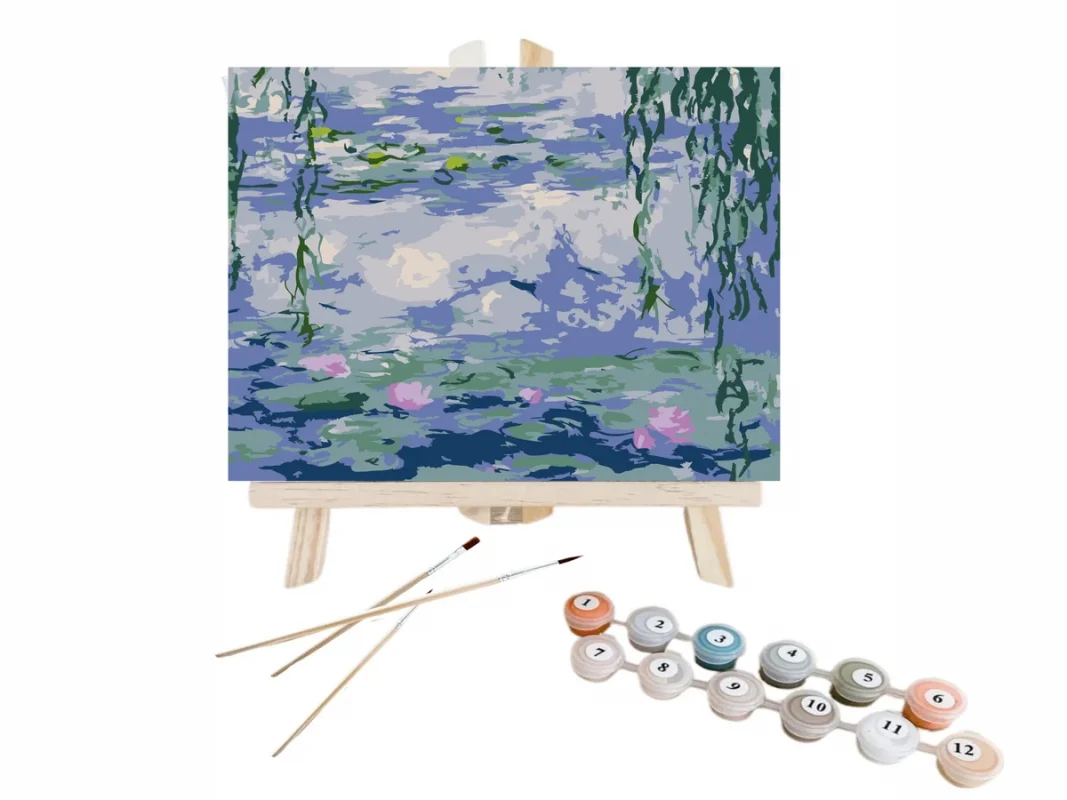
Monet believed art should feel open, not intimidating, and that idea fits naturally with paint by numbers. Rather of launching into a blank canvas and a lack of clarity, you start with structure. You can concentrate on color, proportion, and light because the main shapes are already there.
Similar to Monet’s method, the aim is awareness rather than perfection: recognizing how tones vary, how warm and cold hues interact, and how minor adjustments transform a scene’s atmosphere.
Patience takes the place of pressure as you proceed section by section. You reduce your pace. You observe how layering adds depth and how sleeker transitions offer a more vivacious impression than jagged edges.
Paint by Numbers is a fascinating way of comprehending the ideas underlying the Claude Monet Impressionist style because it facilitates experimenting without fear of failure. You feel what Monet desired throughout his life in that subdued rhythm: the joy of using color to capture a fleeting moment, one thoughtful stroke at a time.
Why Claude Monet Art Still Matters Today
Monet didn’t follow rules. He followed attention. Claude Monet art reminds us to slow down, notice light, and accept change as part of beauty.
Whether you’re standing before the Water Lilies or working quietly on your own canvas, the message remains unchanged. Look closely. Let color guide you. Allow the moment to matter.
That lasting awareness is the true legacy of Claude Monet art.