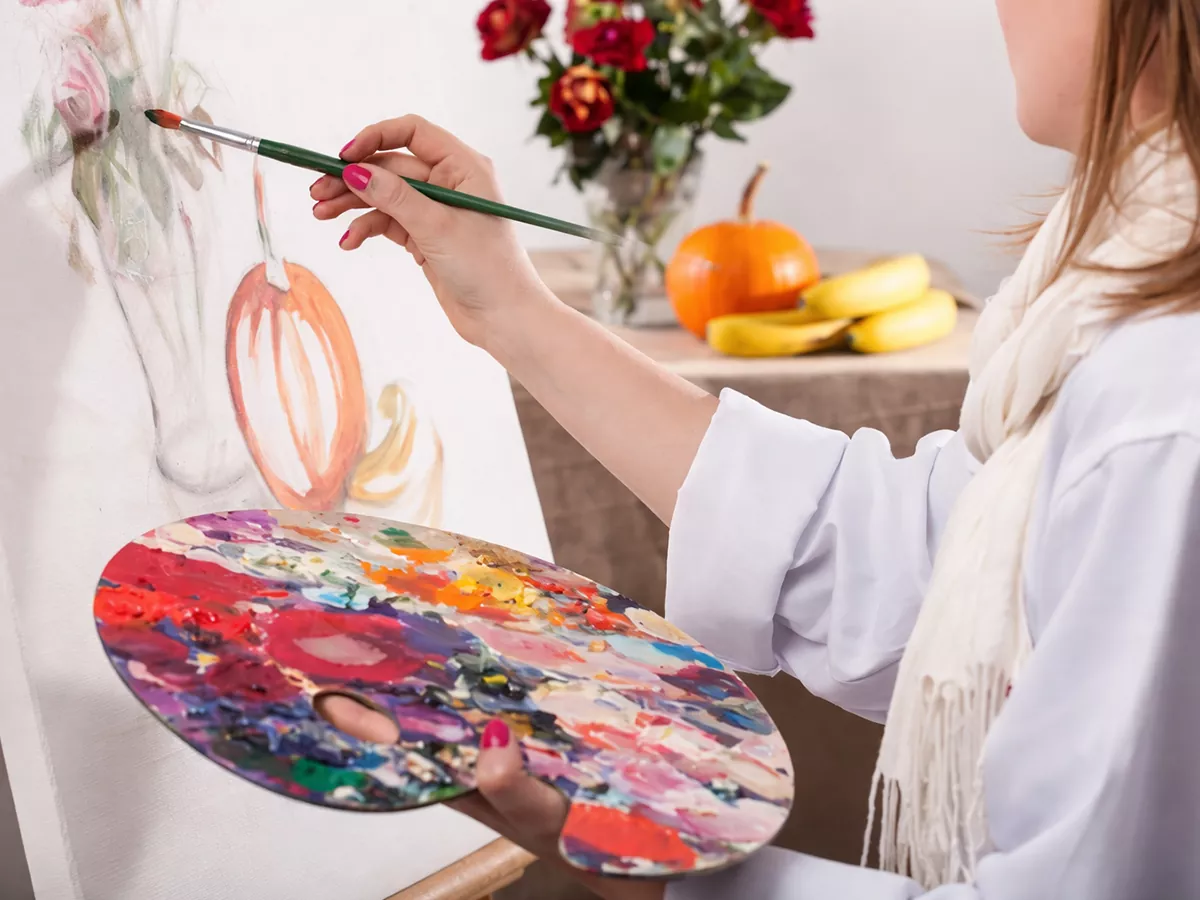
Most adults don’t pick up paint by numbers because they feel nostalgic. It’s usually more practical than that. At some point, creativity starts to feel heavier than it should. Time is limited. Expectations are higher. And doing something “just for fun” often comes with pressure. What draws many adults back is creative structure, a way to engage creatively without having to prove anything or make endless decisions before starting.
Creativity comes with more pressure as you get older
When you’re younger, making something badly doesn’t matter much. As an adult, it often does, or at least it feels like it does. Many people step away from creative activities not because they’ve lost interest, but because they don’t enjoy feeling inexperienced. A blank canvas brings too many choices at once. That’s where structured creativity becomes appealing. The decisions are already made, which lowers the mental barrier to beginning. There’s no need to plan ahead or picture the final result. You simply begin.

Starting matters more than freedom
A lot of adults don’t struggle with finishing things. They struggle with starting. Creative structure removes that first obstacle. There’s a clear entry point and a clear next step. You don’t have to “warm up” to creativity or wait for motivation to show up. That predictability makes it easier to sit down, even on days when energy is low. For many people, that’s the difference between thinking about painting and actually painting.
It fits into adult life without demanding too much
Most adult schedules don’t allow for long, uninterrupted creative sessions. Paint by numbers works because it respects that. You can paint for ten minutes and stop. You can leave it untouched for days and come back without feeling lost. The structure holds your place for you. That’s another reason creative structure works so well here, it adapts to real life instead of competing with it.
Progress feels clear and contained
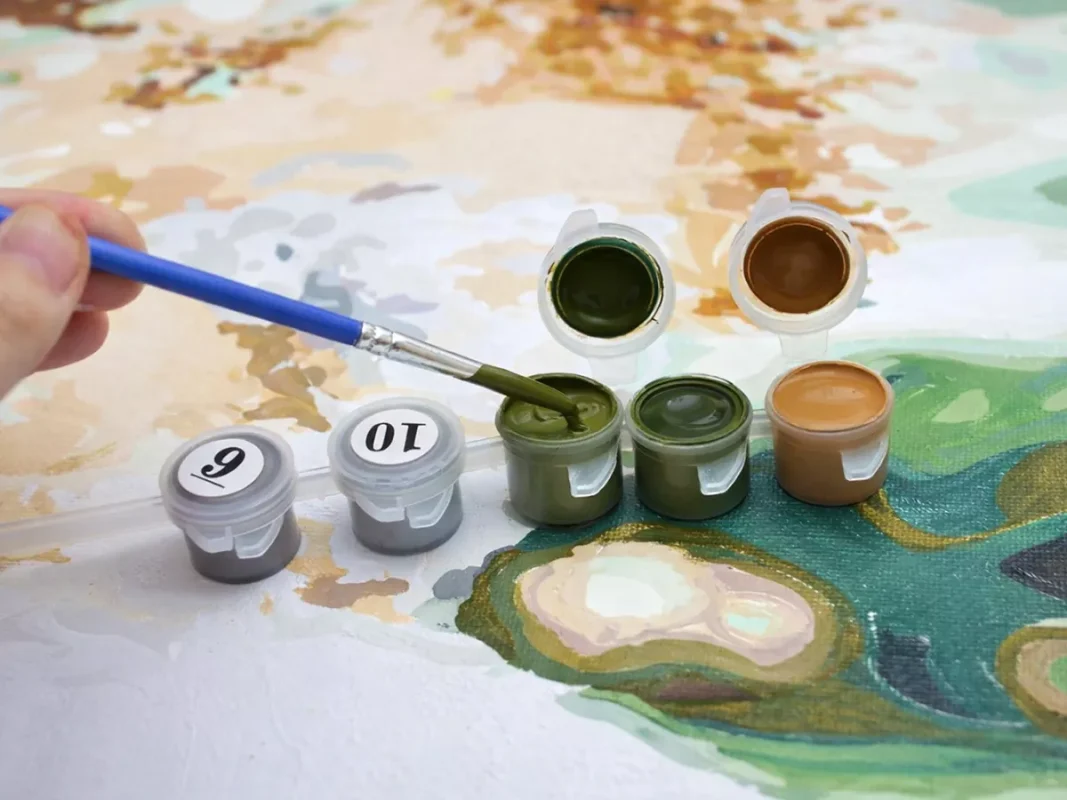
A lot of adult work never feels finished. Tasks bleed into other tasks. Results are abstract or delayed. Paint by numbers offers something different. Each section completed is done. You can see it. That steady, visible progress is one of the quieter benefits of structured creativity. It doesn’t overwhelm. It just moves forward, piece by piece.
There’s no performance attached to it
One of the reasons adults return to this kind of activity is that there’s no audience. You don’t have to share the result or explain it. You don’t have to justify the time spent. The process exists for the person doing it. That absence of pressure matters more than it seems, especially when mental well-being is shaped by how little space we’re given to do things without expectation. Creative structure makes that space possible without stripping creativity away entirely.
Finishing matters more than being “good”
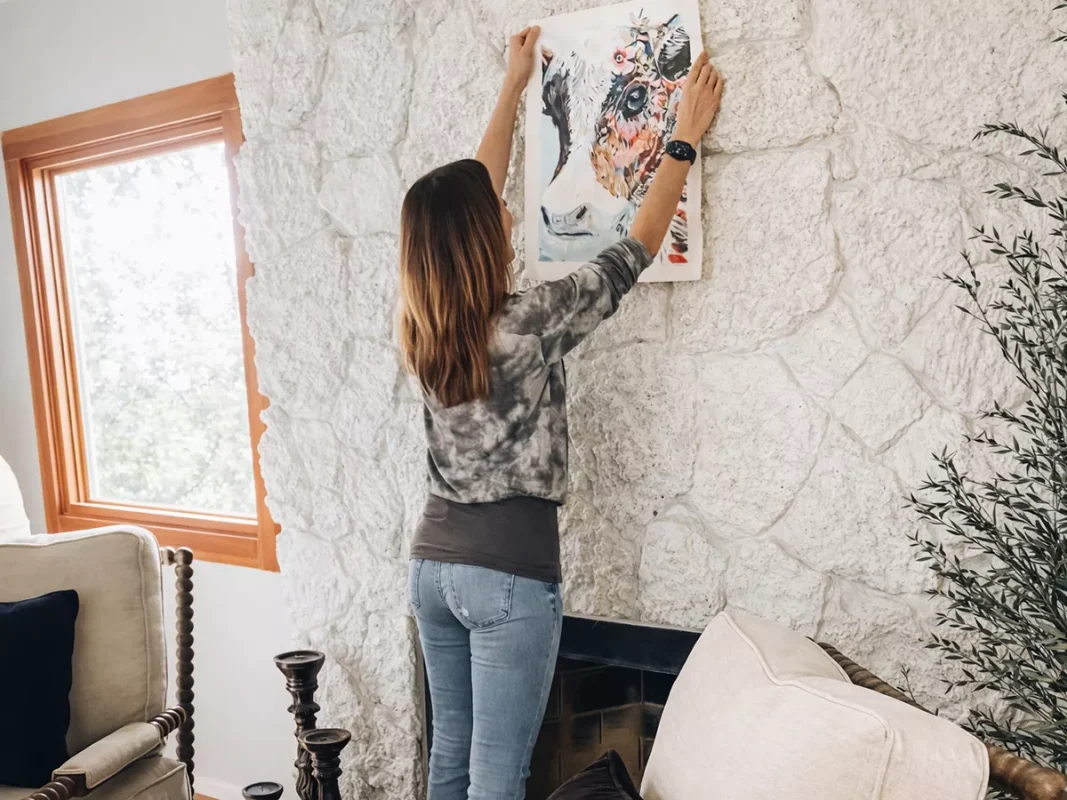
When the painting is complete, most adults aren’t thinking about technique. They’re thinking about the fact that they stayed with something until the end. That sense of completion, calm, and manageable, is what keeps people coming back. Not because they suddenly feel artistic, but because the process felt realistic. And for many, creative structure is what makes that possible in the first place.
A final thought
Adults don’t return to paint by numbers to become artists. They return because it offers a kind of creativity that fits the way adult life actually works. It’s guided without being rigid. Supportive without being demanding. And for many people, that colorful balance is enough.