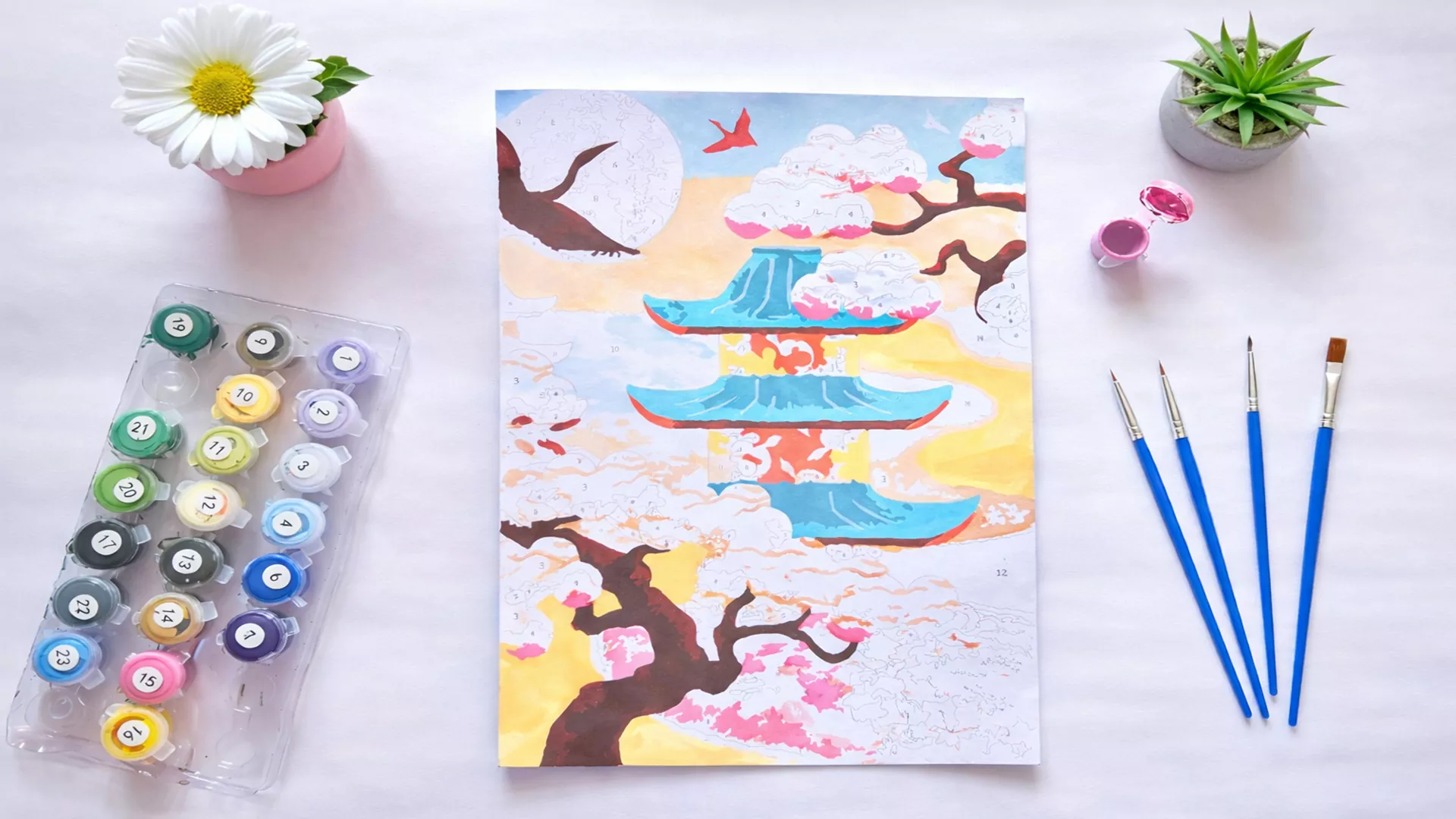
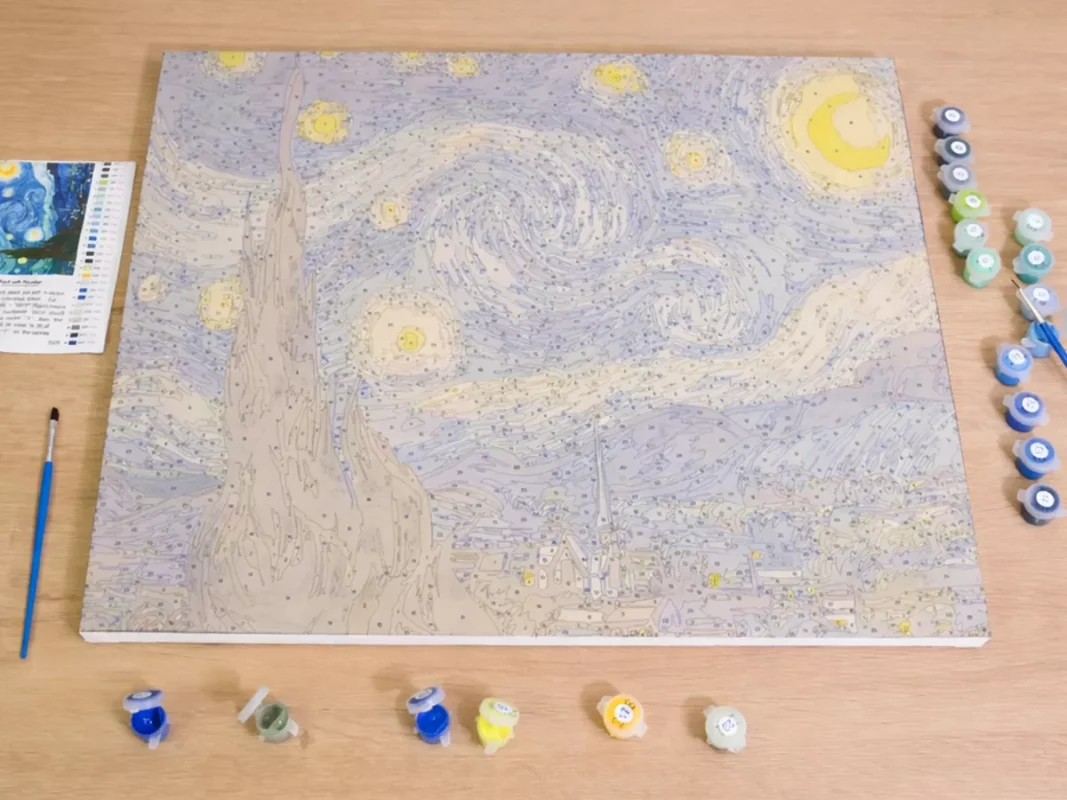
The beginning rarely feels smooth. The canvas looks busy. The numbers feel louder than the landscape itself. Even people who were excited five minutes earlier tend to hesitate here. That pause isn’t confusion, it’s adjustment. Most people try to “read” the painting before they start, as if they’re supposed to understand it all at once. That’s not how the paint by numbers process works. The canvas only reveals itself when you stop looking at it as a picture and start treating it like a collection of small decisions.
During that first hour, a few things usually happen quietly:
- You realize the sections are smaller than expected
- You slow your hand more than you planned to
- You repaint a spot because it didn’t land the way you thought
None of this means you’re doing anything wrong. It’s just the moment where expectation meets reality.
Most mistakes come from trying to move too efficiently
Paint by numbers looks simple on the surface, which is why many people rush early on. They load the brush, aim for speed, and assume accuracy will follow. It usually doesn’t.
The most common issues aren’t technical. They’re behavioral:
- too much paint on the brush
- pressing harder instead of slowing down
- fixing things immediately instead of letting them dry
The paint by numbers process doesn’t reward efficiency in the usual sense. It rewards restraint. Once people stop trying to “get through” a section and instead let it take the time it takes, borders clean themselves up and control improves without effort.
Paint by numbers teaches control without announcing it
There’s no lesson built into the kit, but the structure teaches quietly. Small sections force smaller movements. Tight borders encourage lighter pressure. Repetition builds familiarity.
You don’t consciously learn these things. They show up on their own:
- the brush starts landing where you expect
- paint spreads evenly instead of flooding
- your hand adjusts before your brain does
This is one of the subtler strengths of the paint by numbers process. It allows skill to form without asking for attention or confidence up front.
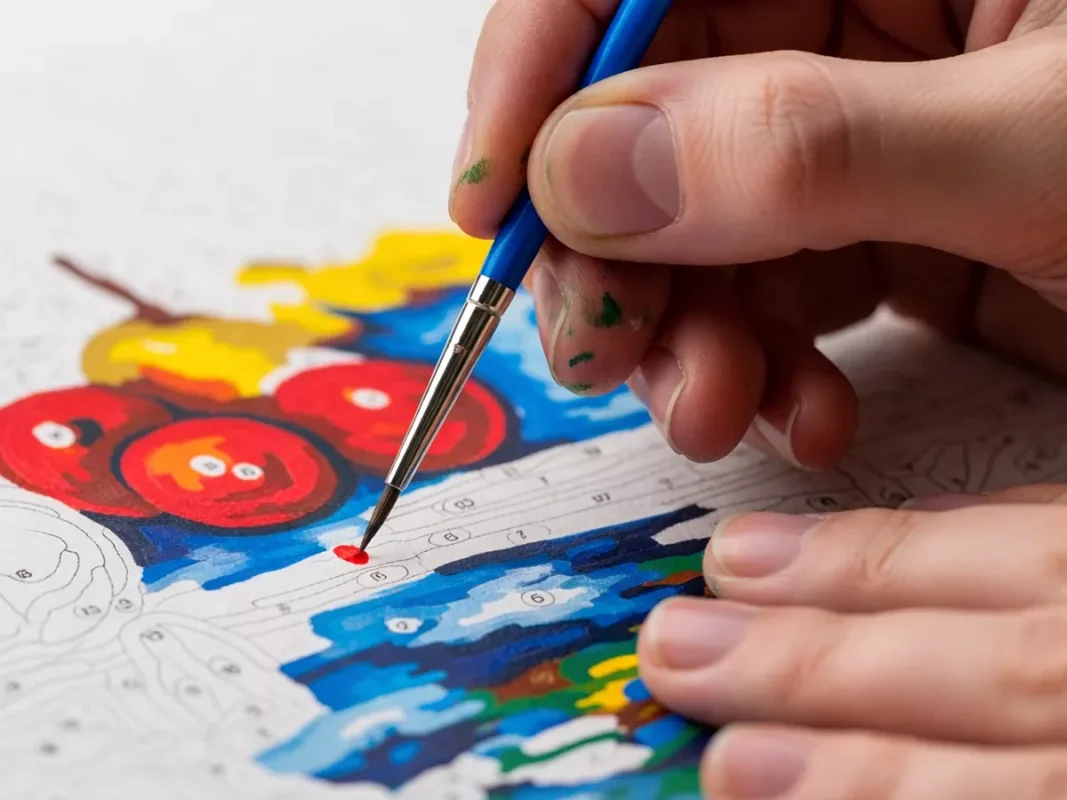
Why stopping mid-canvas doesn’t break anything
Many creative hobbies resist interruption. Custom Paint by numbers doesn’t. The structure holds your place for you.
Most people don’t work in long stretches. They paint a little, stop, and come back later. Sometimes hours later. Sometimes days. The paint by numbers process stays intact either way.
Short sessions tend to work best:
- focus stays sharper
- brush control stays steady
- frustration doesn’t build
Stopping isn’t quitting. It’s part of how this kind of painting fits into real schedules, because progress is rarely black and white.
The painting usually looks wrong before it looks finished
There’s a phase most people don’t expect. The canvas is mostly filled, but the image feels off. Colors clash. Patches look uneven. It doesn’t resemble what you imagined when you started.
This stage is temporary, but it’s important. The paint by numbers process relies on accumulation. Sections only make sense once enough of them exist together. Before that point, the painting can feel unbalanced or even disappointing.
Resisting the urge to overcorrect here matters more than technique. Once everything dries and the full image settles, coherence usually appears on its own.
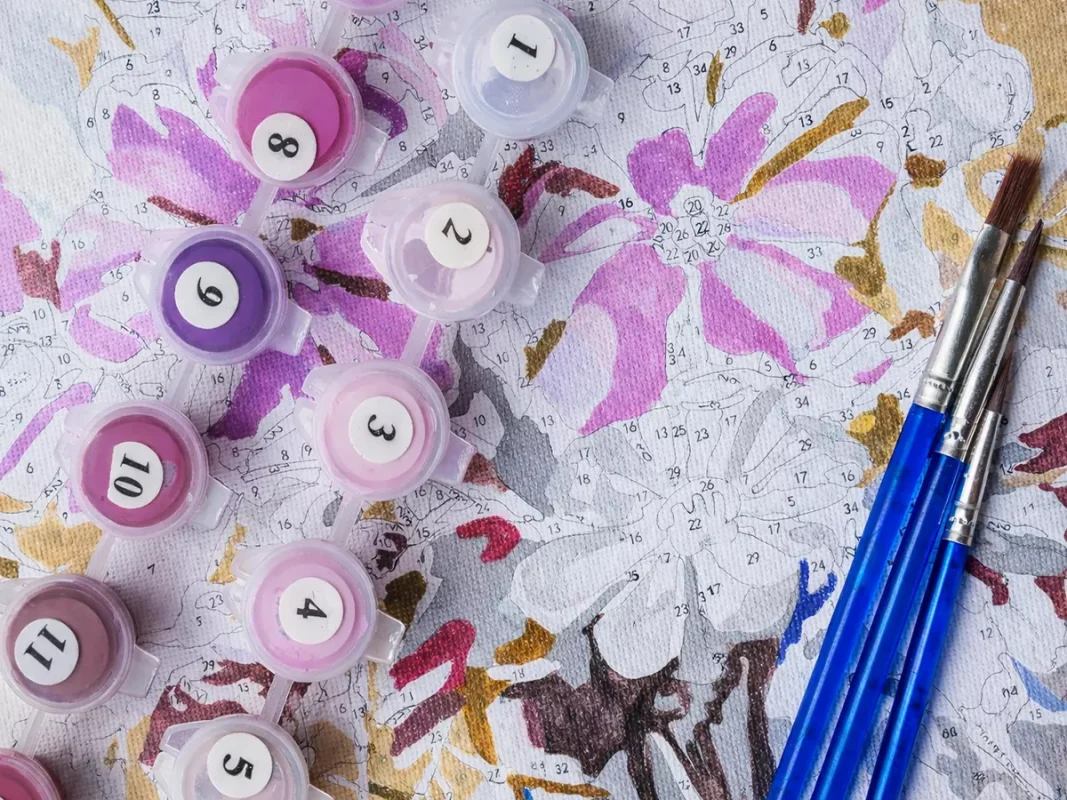
Finishing isn’t the most interesting part
The last section doesn’t arrive with ceremony. It’s often quiet. You clean the brush, step back, and look longer than you expected. Some people add touch-ups. Others don’t. Some frame the painting immediately. Others let it sit nearby for weeks. What matters isn’t the decision, but the familiarity that’s formed by then.
By the end of the paint by numbers process, the canvas isn’t just an image. It’s something you’ve spent time with. You remember difficult areas. You remember sections that surprised you by being easy. That familiarity is the real outcome. Paint by numbers doesn’t promise mastery or transformation. It offers structure, patience, and a pace that adjusts to the person using it. That’s why people return to it, not because it’s effortless, but because it leaves room to work without pressure.