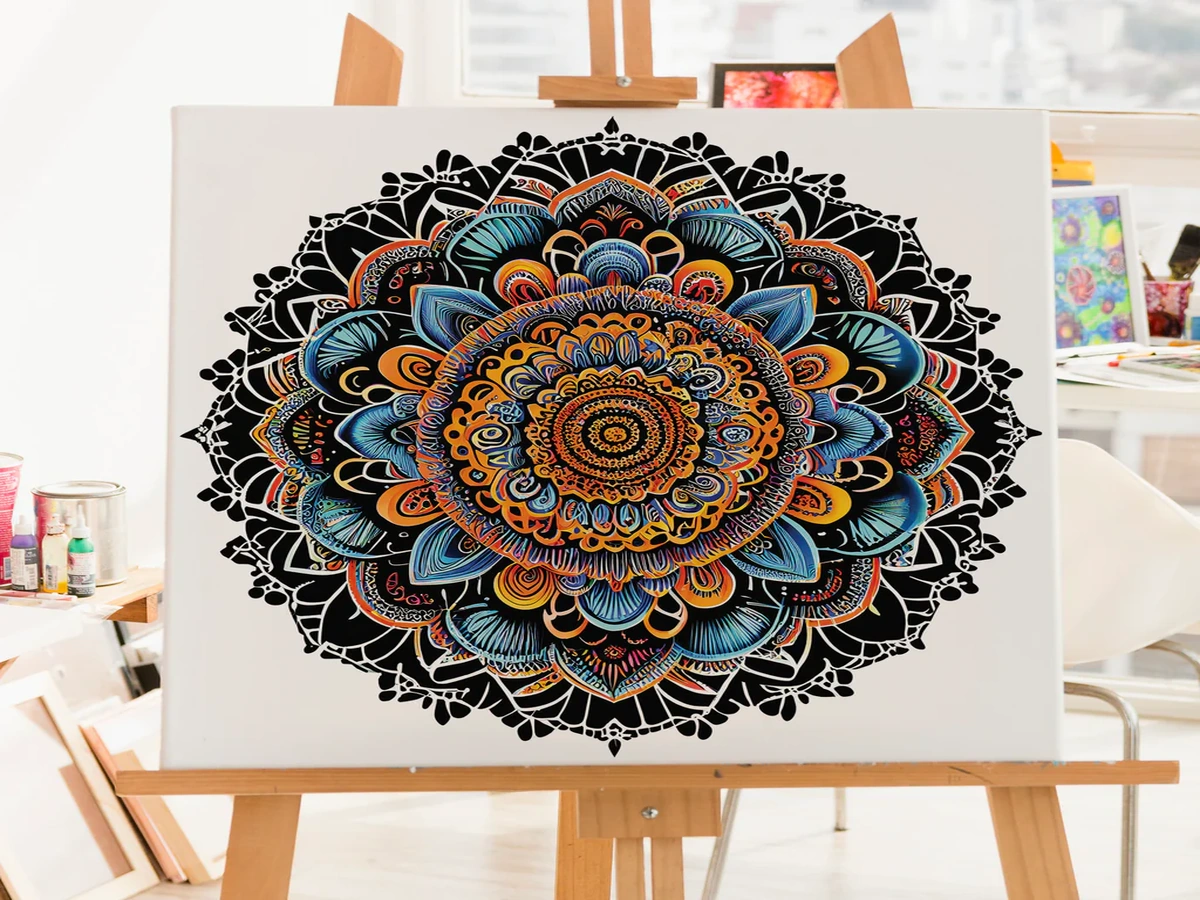
Mandala painting has a way of meeting people where they are. Some discover it while looking for a creative hobby. Others stumble upon it during a stressful period, searching for something quiet and absorbing. Either way, mandalas tend to stay. Not because they are trendy, but because they offer something rare: focus without pressure.
At first, mandala art looks precise, almost mathematical. Circles, repeating shapes, perfect balance. But once you start painting one, that first impression fades. What remains is a steady rhythm. You paint one section, then another. Nothing demands speed. Nothing asks for perfection. The process simply moves forward, calmly.
Why Mandalas Feel So Natural to Work On
There is comfort in knowing what comes next. Mandala designs are predictable in the best way. The repetition creates flow, and that flow makes the experience feel grounded. You’re not making big decisions every minute. You’re following a pattern that already makes sense.
That’s why many people find mandala painting relaxing even if they don’t usually enjoy art. It doesn’t test creativity in an intimidating way. Instead, it allows creativity to show up quietly, through patience and attention.
Color Choices Change Everything: Mandala Painting
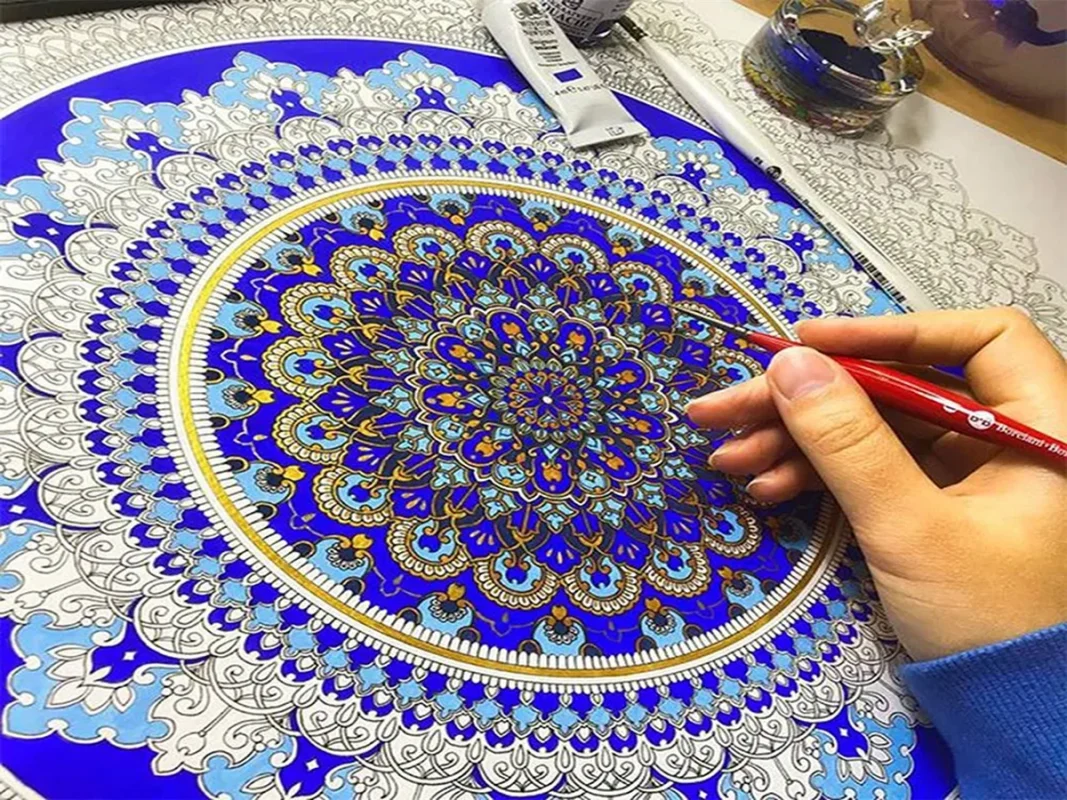
While the pattern stays the same, color is where the painting becomes yours. A mandala painted in soft neutrals feels calm and airy. The same design, done in deep blues and golds, feels bold and dramatic. Nothing else changes, yet the mood shifts completely.
This in one of the most satisfying parts of mandala painting. You begin to notice how colors interact. How repeating the same shade in different areas brings balance. How a single contrasting tone can draw the eye without overpowering the design.
Overtime, many people become more confident with color just by painting mandalas. There’s no rush to experiment, but curiosity grows naturally.
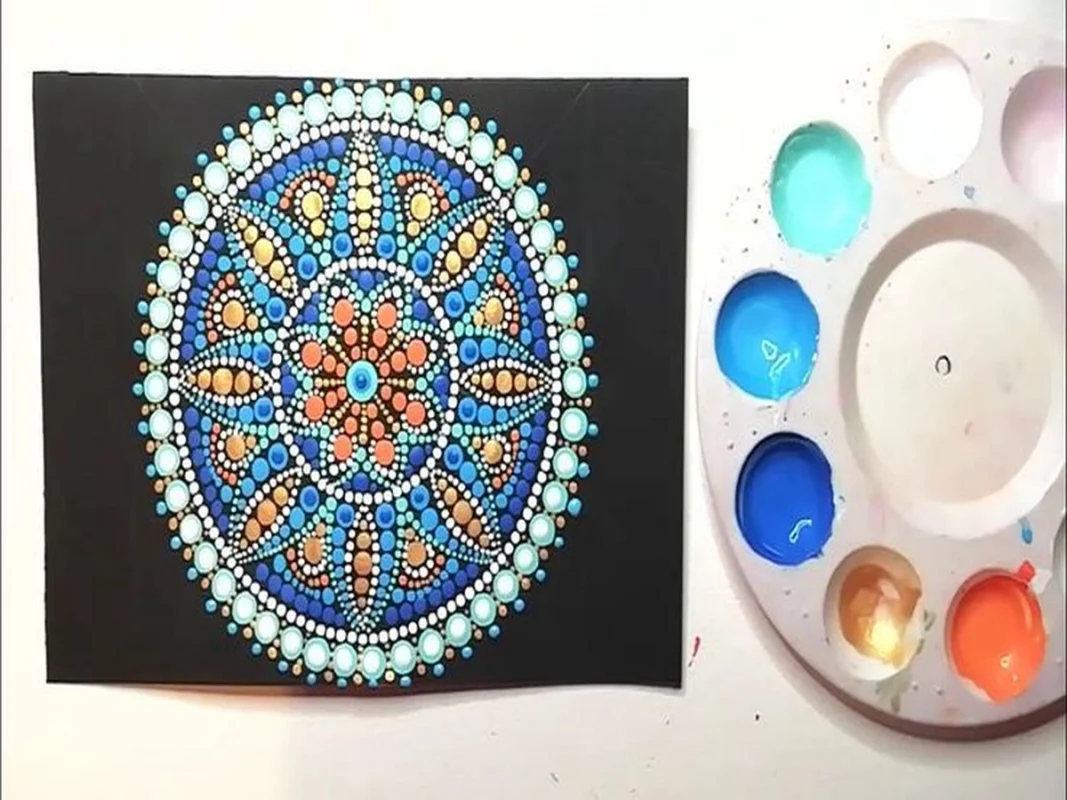
The Intimidation Factor
For beginners, mandala painting often feels out of reach. The symmetry looks unforgiving. One small mistake seems like it could ruin the entire piece. That fear is real, and it’s the reason many people admire mandala art without ever trying it themselves.
This is exactly where paint by numbers changes the relationship.
How Paint By Numbers Makes Mandala Art Accessible
Paint by numbers removes the hardest part: uncertainty. The design is already there. The proportions are already correct. Instead of starting from scratch, you step into a process that’s been thoughtfully prepared.
This doesn’t make the experience dull or mechanical. On the contrary, it makes it enjoyable. You’re free to focus on painting rather than correcting. Each numbered space becomes a small task with a clear beginning and end.
For Mandalas, this approach feels especially natural. The structure supports the design, while the act of painting remains slow and deliberate.
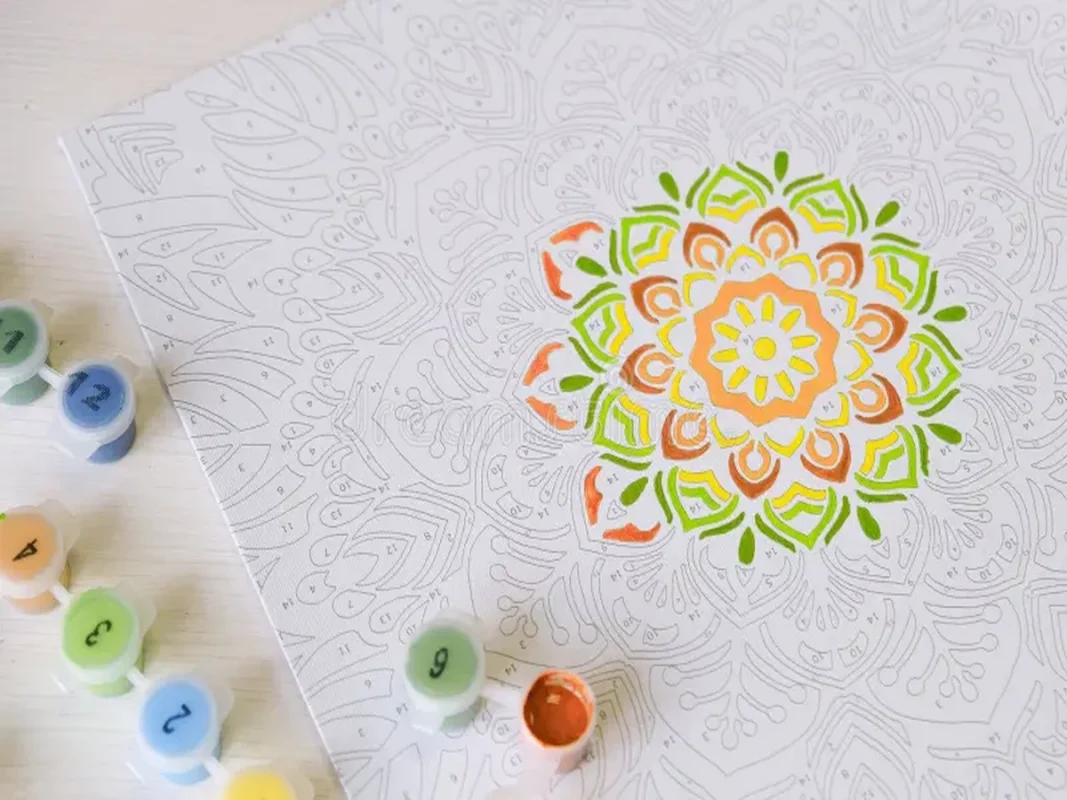
A Creative Break That Fits Real Life: Mandala Painting
Mandala paint by numbers works well because it doesn’t demand long, uninterrupted hours. You can paint for fifteen minutes and feel satisfied. You can stop mid-way and return later without losing momentum.
Many people keep their mandala kit nearby; on a table, a desk, or a quiet corner of the house. It becomes something to return to, not something to finish quickly. The painting grows over days or weeks, carrying the calm of each session into the next.
When the Painting Is Done
The finished mandala is always more than it looks. It holds the time spent on it. The slow moments, the focus, the breaks taken and returned from. Hanging it on a wall feels different from hanging a print, because you remember every step that let there.
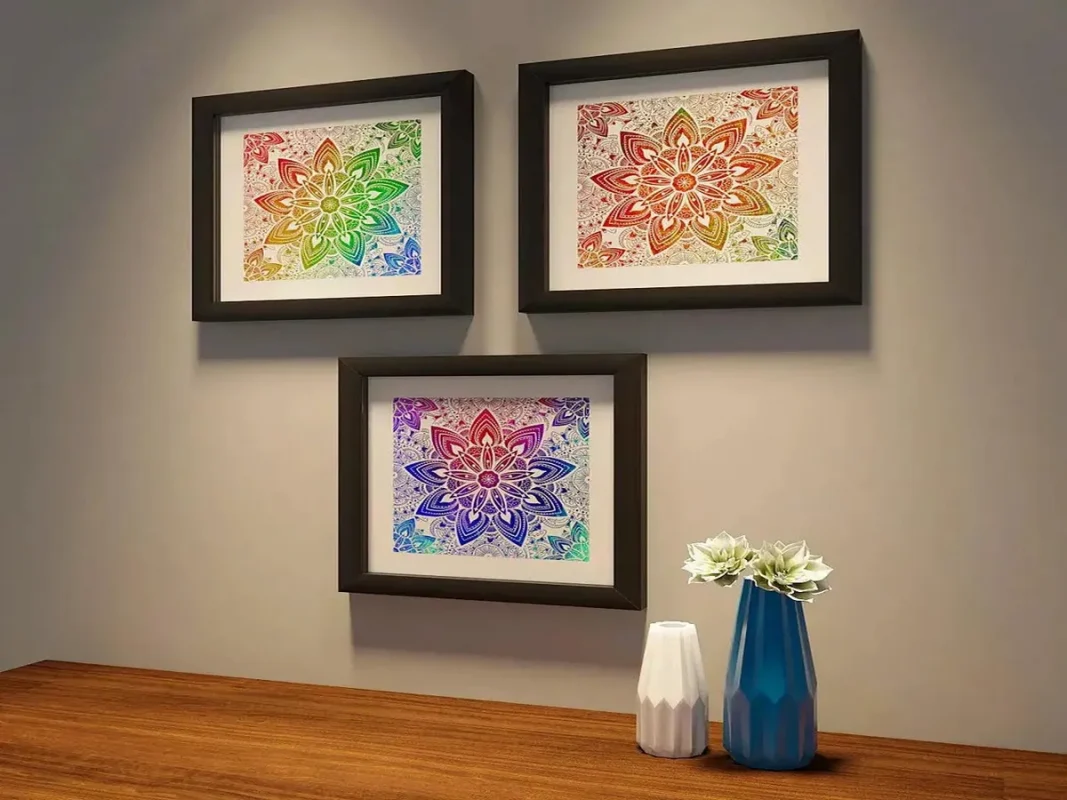
Paint by Numbers doesn’t simplify mandala art, it opens the door to it. It allows people to experience the balance, the repetition, and the quiet satisfaction that mandalas are known for, without feeling overwhelmed.
Mandala painting isn’t about talent. It’s about showing up, choosing a color, and letting the pattern do the rest.