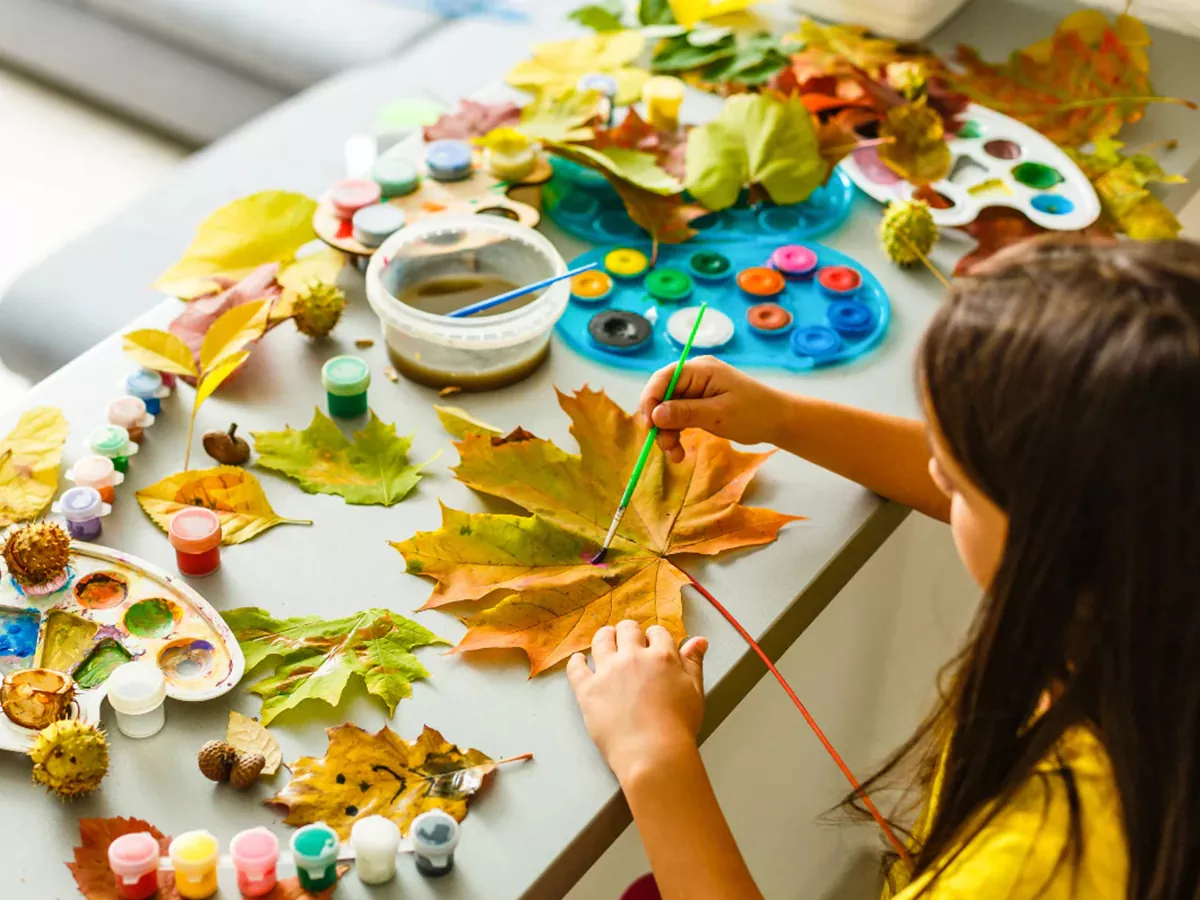
Paint by numbers is often grouped together with painting, drawing, or crafts without much thought. But when you look at it alongside other art activities, the differences become clearer, especially in how it feels to start, continue, and finish. Paint by numbers doesn’t try to replace other creative options. It occupies a specific space that many art activities don’t.
When freedom stops being helpful
Free painting and sketching offer complete freedom, which sounds ideal at first. In reality, that freedom can slow things down. Deciding what to create, how to begin, and when something feels finished takes mental energy. Compared to many art activities, paint by numbers removes those early decisions. The subject and colors are already defined. That clarity doesn’t make it better, it just makes it easier to begin when energy or focus is limited.
Paint by numbers and coloring books aren’t the same thing
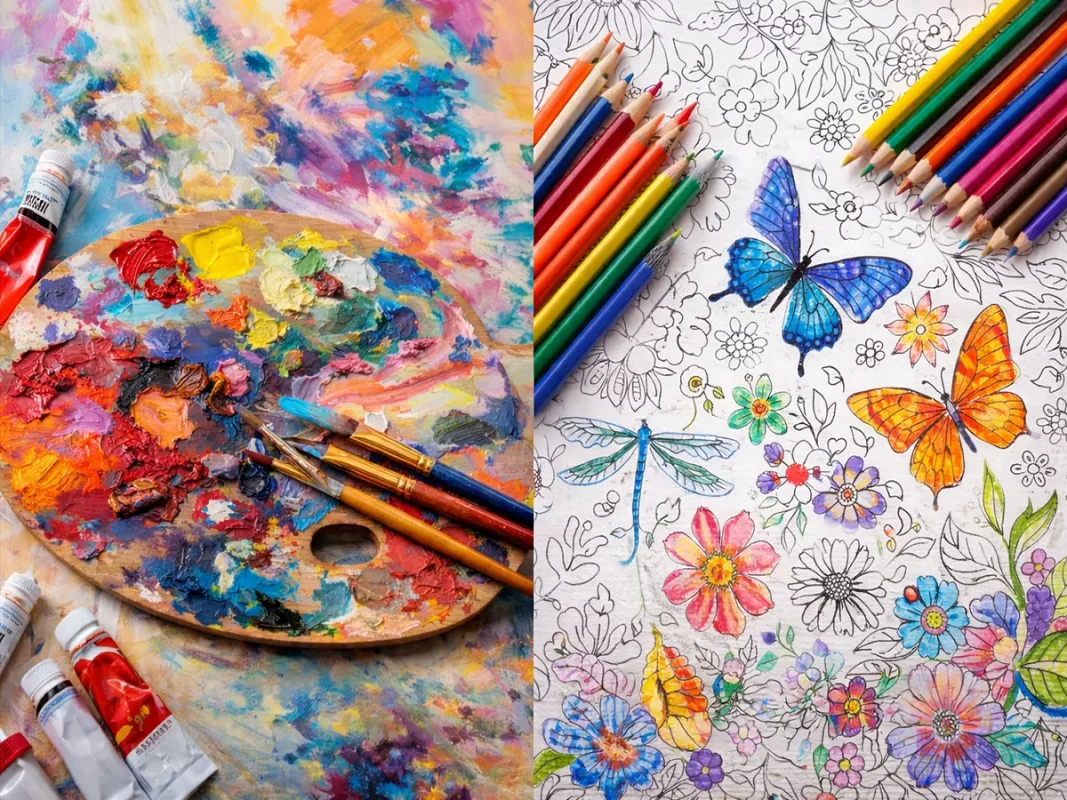
Coloring books are often mentioned alongside paint by numbers, but the experience is lighter and more temporary. Coloring is easy to pick up and easy to leave unfinished. Paint by numbers asks for more time, but it also leaves you with a completed piece. Among art activities, that sense of working toward a finished result makes a real difference for people who like closure.
Speed isn’t always the advantage it seems
Some art activities, like drawing or casual sketching, are quick to start. A pencil and paper are enough. But progress depends heavily on skill, and results can feel inconsistent. Paint by numbers moves more slowly, but it moves steadily. Progress doesn’t depend on technique improving. Sections fill in, one after another, which helps avoid the frustration that makes people abandon other art activities early.
Why puzzles feel similar — until the end
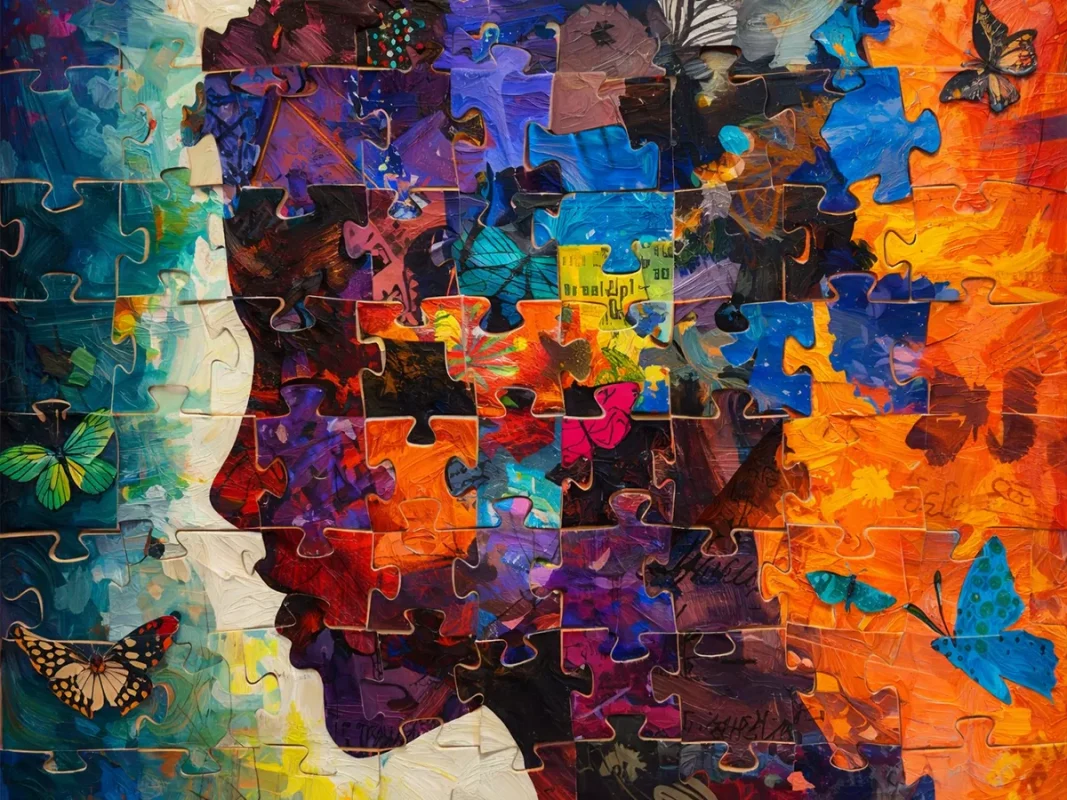
Puzzles and paint by numbers share structure and repetition. Both reward patience and can be paused and resumed at any point. For many men and women, the real difference shows up at the end. A puzzle goes back in the box. A painting stays. Some art activities are mainly about the process itself, while others leave something behind. Paint by numbers leans toward the latter, which changes how people relate to it over time.
Time matters more than talent
Many art activities demand long sessions or regular practice to feel rewarding. Paint by numbers doesn’t insist on either. It works in short bursts and doesn’t punish long breaks. That flexibility is one reason people keep it alongside other art activities instead of replacing them entirely.
Crafts require precision, not repetition
DIY crafts tend to reward precision. Tools matter. Instructions matter. Small deviations often show, and fixing mistakes can take as much effort as starting over. For people who enjoy careful assembly and problem-solving, that level of control is part of the appeal.
Other creative processes lean more toward repetition. Progress comes from doing the same type of action again and again, rather than executing exact steps perfectly. Paint by numbers sits closer to that side of the spectrum, where repetition isn’t a flaw but the core of how the activity unfolds. Which approach feels better depends on whether someone enjoys solving problems or settling into a rhythm.
Choosing based on experience, not labels
Most people don’t pick art activities by comparing skill levels or reading definitions. It usually comes down to something simpler. Does it fit into their day? Does it feel comfortable to sit down and do?
Some people like having room to experiment. Others feel better when there’s a clear path in front of them. Some enjoy activities that are done and gone once you finish, while others want to end up with something they can keep. Paint by numbers lands in one particular middle ground. That’s why it clicks immediately for some people and never really does for others.
It’s less about finding the “best” creative option and more about recognizing which kind of experience actually suits you.
Final thought
Paint by numbers isn’t a simplified version of other art activities. It’s a different approach altogether. Knowing where it sits among creative options helps set expectations and makes it easier to choose it for the right reasons.