For many people, a paint by numbers kit begins as something contained. One canvas. One image. You work on it when you can, finish it, and only then decide whether it belongs anywhere else in your healthy routine. For many, that’s true. But there’s a noticeable group of people who don’t stop there. They finish one painting, set it aside, and sometimes days later, sometimes months, they find themselves choosing another. Not because the first one was extraordinary, but because the experience fit into their lives more easily than expected. That difference is what turns simple activities into long-term hobbies.
The first kit is about learning the rhythm
The first time someone paints by numbers, most of the attention goes into understanding the system. The relationship between numbers and colors, the way the paint dries, and just how small some sections really are. People tend to paint cautiously at this stage. They follow the numbers closely, avoid improvising, and worry about mistakes that usually matter less than they think. The process still feels unfamiliar, which keeps the focus sharp. At this point, the activity feels like something you’re trying, not something you expect to return to.
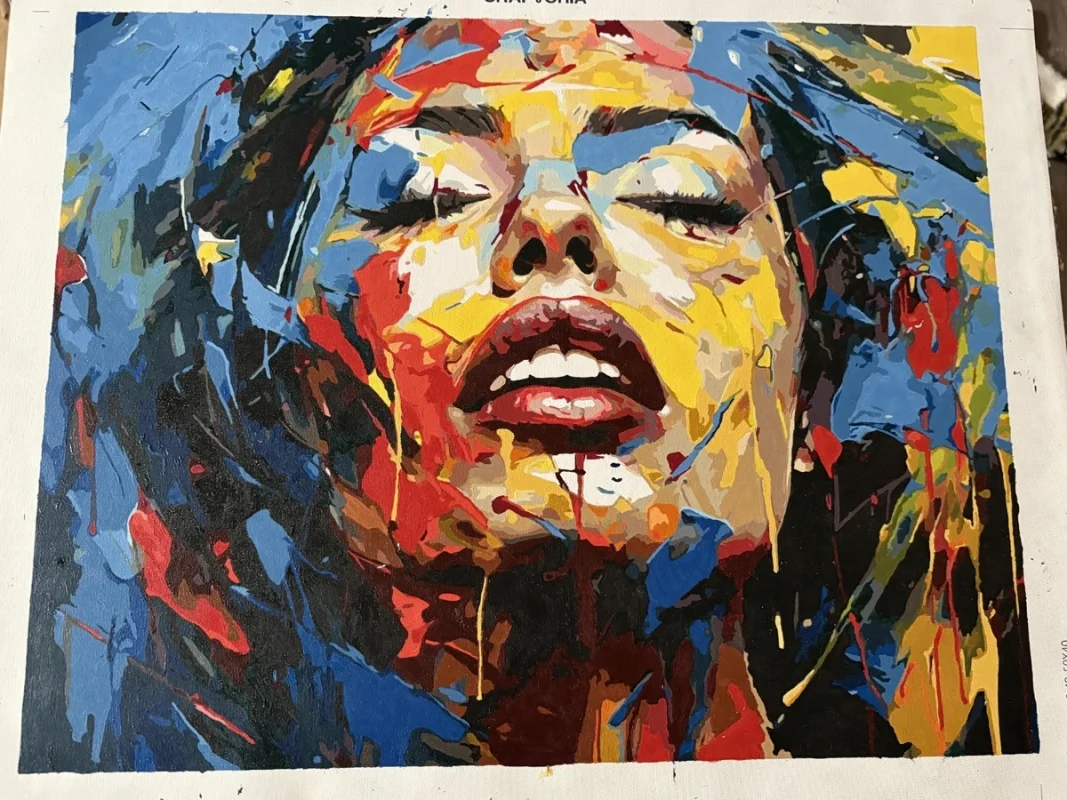
What changes after the first canvas
Something shifts once that first painting is finished. By the second kit, the mechanics fade into the background. The numbers don’t feel as loud. The brush feels familiar sooner. People stop worrying about whether they’re “doing it right” and start noticing how they prefer to work. Some paint longer sessions. Others shorten them. Some change the order they fill sections. Small habits form, not because they were taught, but because repetition allows them to. That’s often when paint by numbers stops feeling like a project and starts feeling like one of those hobbies that last.
How repetition changes the relationship
Long-term hobbies aren’t sustained by excitement. They’re sustained by comfort. Custom Paint by numbers fits into that pattern well. The structure stays consistent, but the experience doesn’t become flat. Instead, it becomes predictable in a reassuring way. You know what’s expected, how it will unfold. You also know you can step away and return without penalty.
Over time, people stop measuring progress by speed or outcome. They measure it by familiarity. The canvas becomes something you return to, not something you push through. That’s a different kind of engagement.
Choosing differently over time
People who settle into long-term hobbies often change how they make choices. Early decisions are usually about subject matter, what looks impressive, what feels safe, what resembles something familiar. Later choices are more about pace. Detail starts to matter more, along with the time a piece might take and whether it fits into daily life as it actually is.
A large, complex canvas might feel appealing one month and exhausting the next. Smaller abstract designs suddenly make more sense. The hobby adapts to the person, rather than the other way around. That adaptability is one reason it lasts.
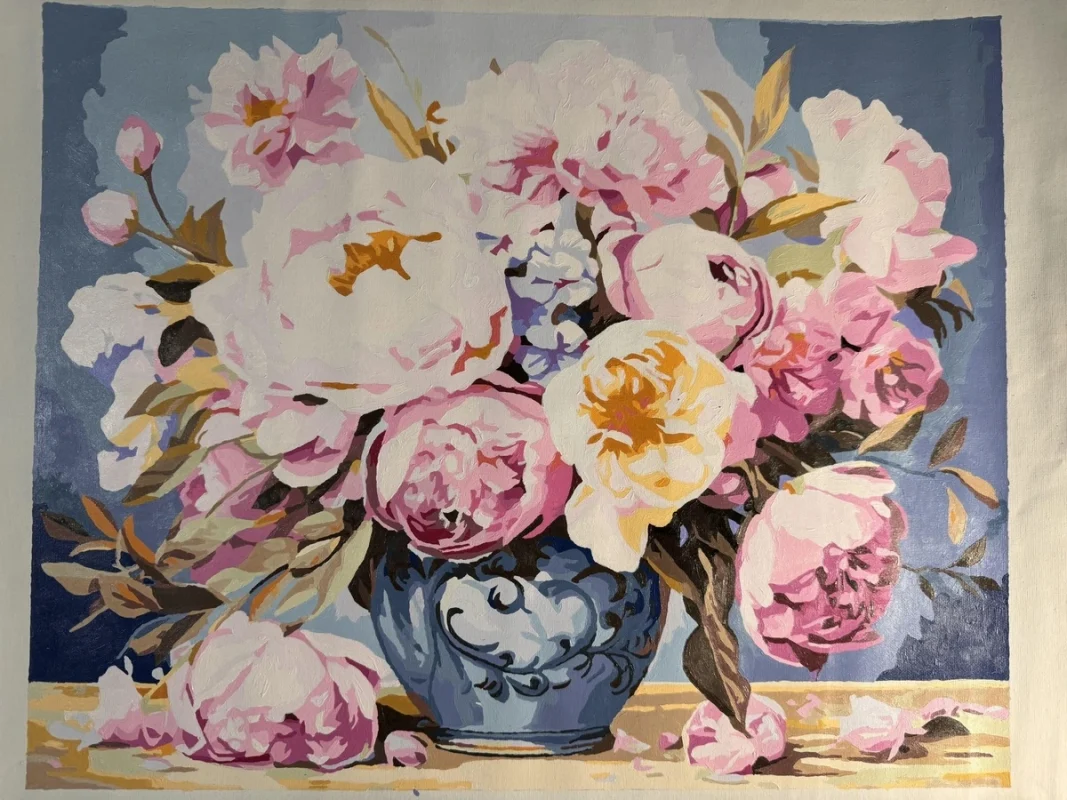
Why returning matters more than finishing
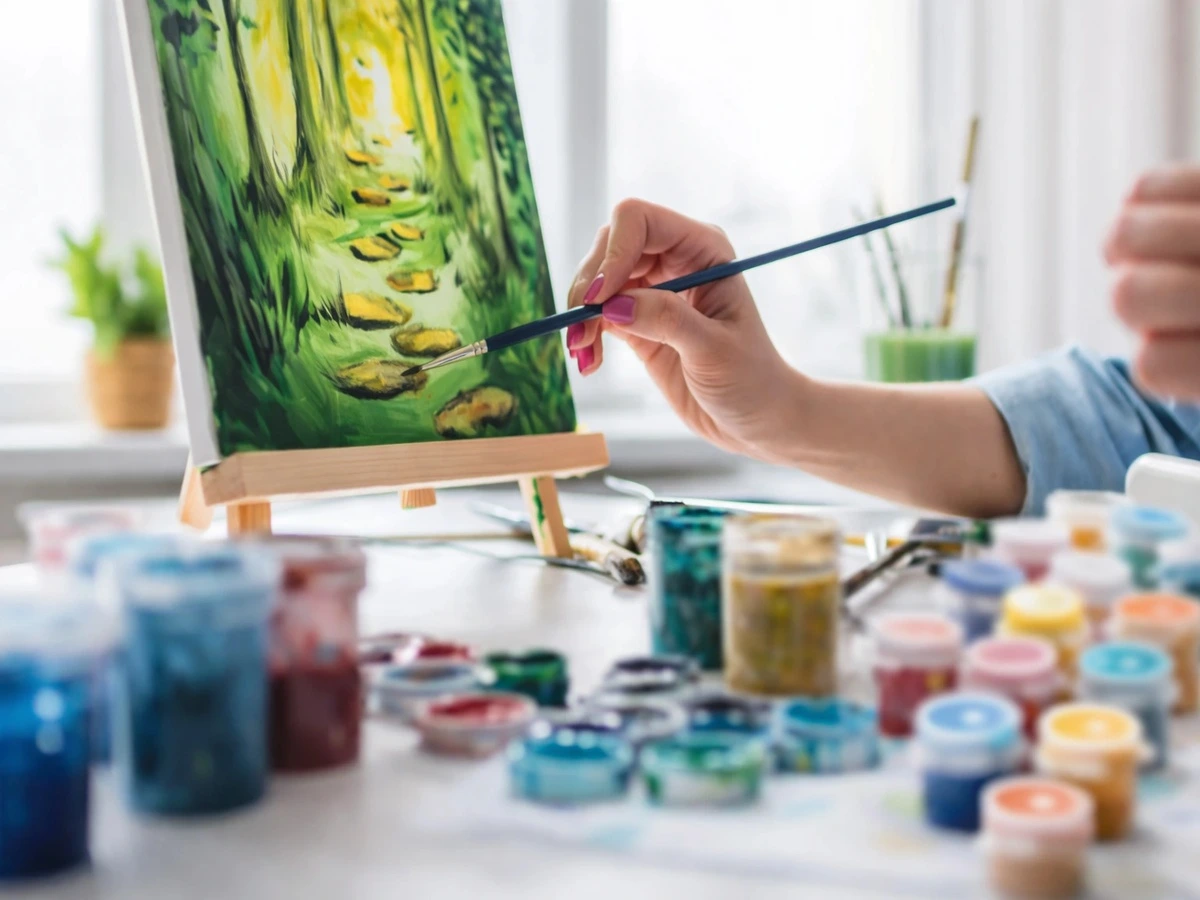
One of the less obvious shifts happens around the idea of completion. At first, finishing feels like the goal. Later, it becomes incidental. People return to the canvas because the process itself has become familiar, not because they’re eager to be done. Whether it’s a quiet landscape unfolding section by section or a seascape taking shape slowly over time, the painting stops feeling like something you “work on” and starts feeling like something that simply exists in your space. Open when you need it. Waiting when you don’t. The image will finish eventually. That’s no longer urgent.
A hobby that doesn’t demand growth
Many creative activities carry an unspoken expectation: improve, level up, move on to something harder. Paint by numbers doesn’t insist on that. You can repeat similar designs. You don’t have to move on to something harder, and no one is keeping score. Some people repeat similar designs for years, not out of habit, but because the experience itself stays comfortable. The process doesn’t ask to be improved or expanded. It stays what it is, and that steadiness is often the reason people return. It stays what it started as, a place to spend time.
When a hobby becomes part of the background
The strongest sign that something has become a long-term hobby isn’t how many canvases someone completes. It’s how little they think about the decision to keep going. They don’t ask whether they should paint tonight. They just do, or don’t, without consequence. The activity exists alongside everything else, not above it. That’s usually how long-term hobbies survive. Quietly. Without announcements. Without needing to justify themselves.