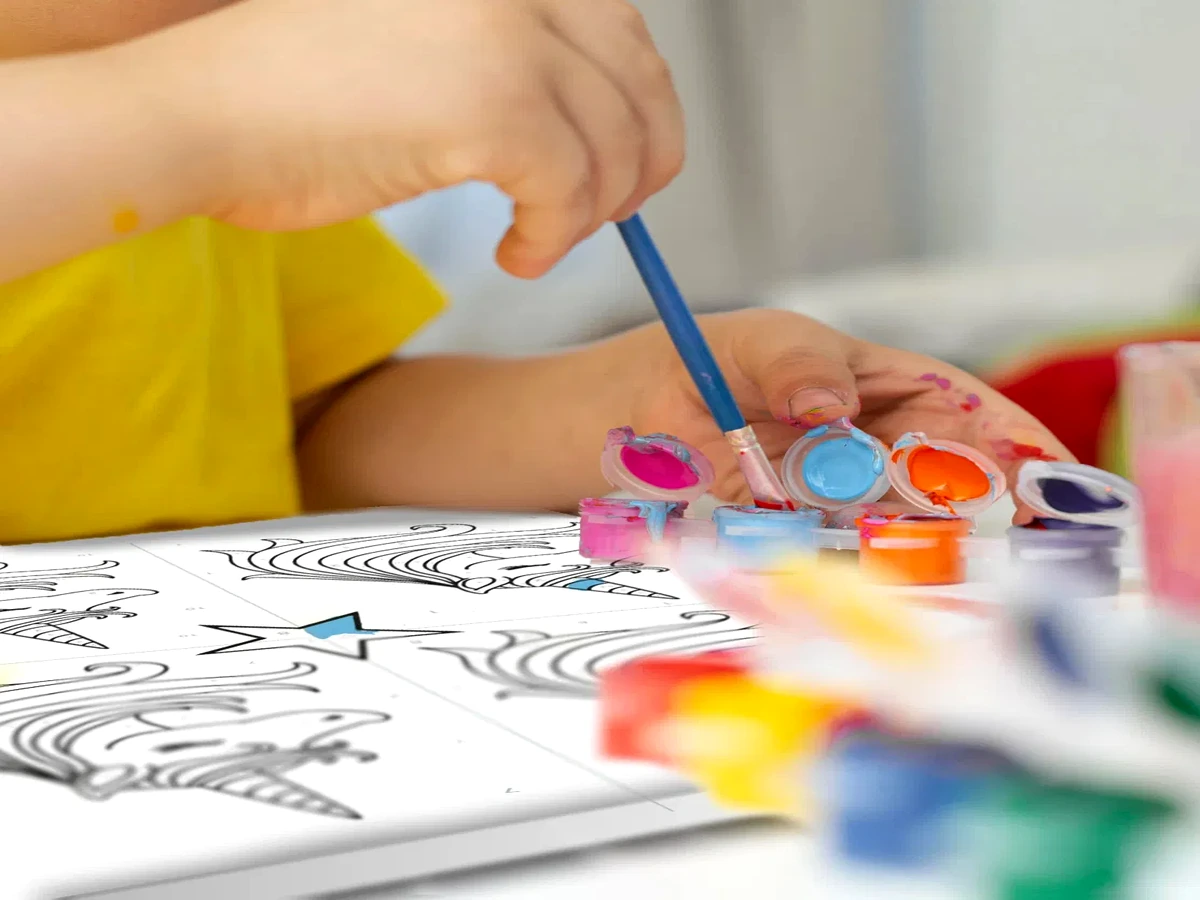
Many parents get to the point where they feel like screens are doing the majority of the work, with phones taking over anytime boredom strikes and tablets occupying quiet times. Sometimes that’s wonderful, but additionally it feels like too much, especially while even slight pauses from screens are difficult to manage and kids lose interest quickly. At some point, you realize that seeking out something easy, peaceful, and interesting has become more difficult than envisioned, which is when paint by numbers for kids discreetly enters the scene, not as a major answer, but as something worth trying.
Why Blank Paper Doesn’t Always Work: Paint by Numbers for Kids
A lot of people assume kids naturally enjoy drawing or painting freely. In reality, many don’t, because a blank page can feel uncomfortable and intimidating. Some kids freeze, while others scribble briefly and then walk away, and that early frustration often ends the activity.
What usually surprises beginners is how much structure helps, since having a clear starting point removes pressure and lets kids relax into the process. That’s why kids painting kits often work better than loose supplies, especially at first, because they guide without controlling and make starting feel easy instead of stressful.
How Numbered Paintings Quietly Change The Mood
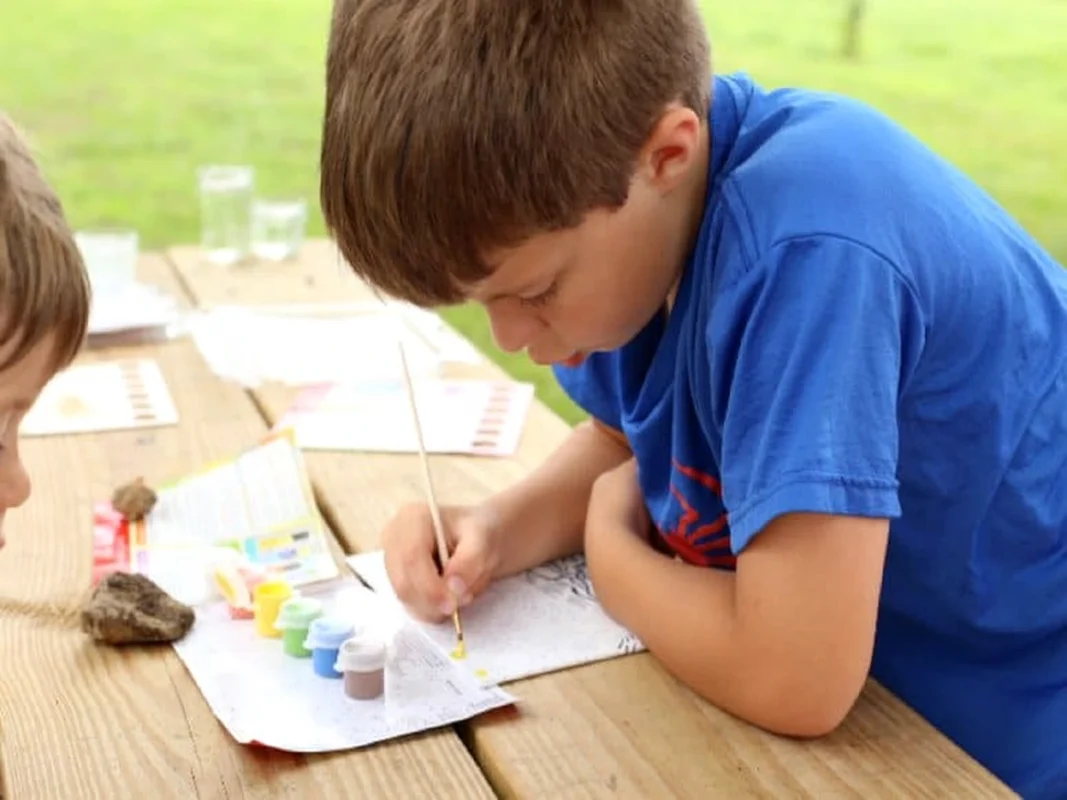
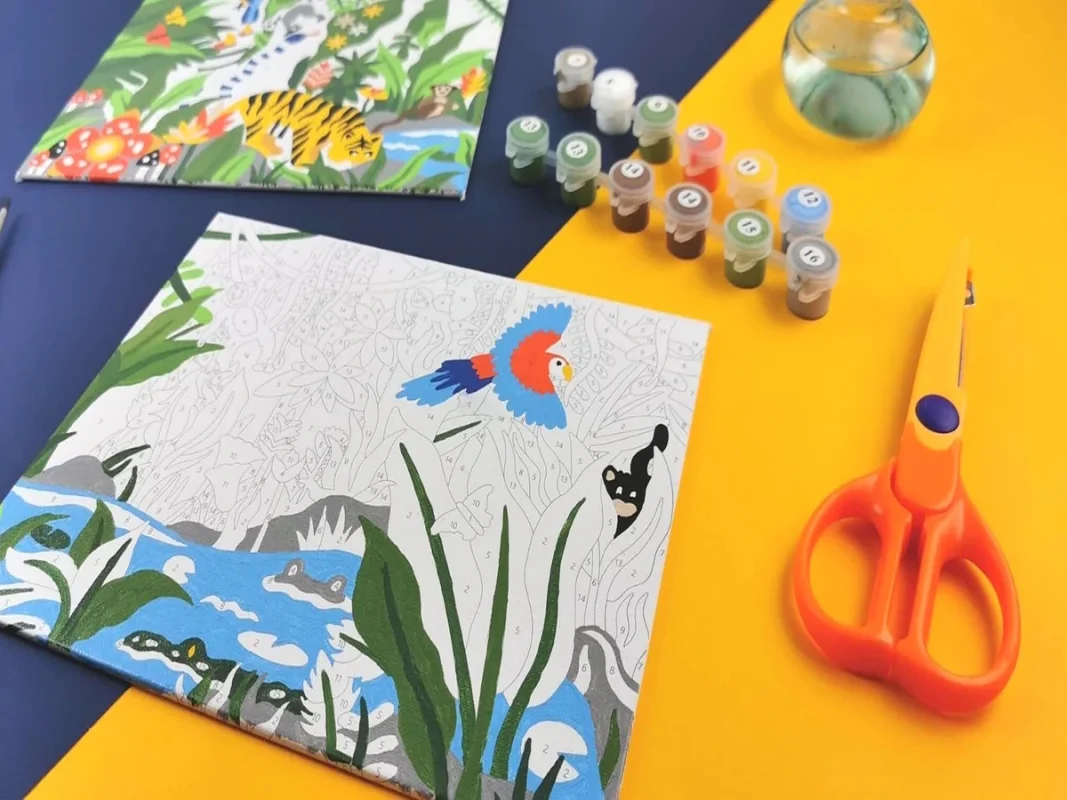
Even if children are unaware of it, numbered areas have an effect on how they approach painting. Wasting valuable time wondering what to do next, kids match a color to a number and start filling one shape then going on to the next.
Over time, the image begins to come together in small parts, which seem attainable and steady rather than overwhelming. Most people don’t expect it to be so peaceful. There’s nothing fun or dramatic, just a gentle sense of accomplishment that keeps youngsters at the table for longer than usual.
Focus That Happens Without Being Forced: Paint By Numbers for Kids
Telling a child to focus rarely works, but giving them something that naturally holds their attention usually does. With paint by numbers for kids, focus tends to settle in on its own because the task asks for just enough attention to stay inside the lines and choose the right color, without demanding more than that.
Many parents notice that time passes with fewer interruptions, kids don’t bounce between activities, and they don’t ask for help every few minutes either, mostly because they always know what comes next.
Creativity Still Shows Up, Just Not Right Away
Some people believe that numbered paintings block creativity, but in actuality, the exact opposite can frequently be true. When children finish a painting and feel satisfied, they often start making small changes.
They repaint sections, swap colors, or add personal touches.
For many children, confidence comes before experimentation. The structure gives them something steady to rely on, not something difficult to push against.
Hand Skills Improve Without Anyone Calling it Practice
Holding a small brush steady, staying inside tight shapes, and controlling pressure all take practice, even if kids aren’t aware of it while they paint. Over time, parents notice better hand control, smoother writing, and more confidence with small tasks. It happens naturally because no one is framing it as practice.
That’s one of the quieter strengths of kids, they support development without turning it into a lesson.
Why Finishing Actually Matters: Paint By Numbers for Kids
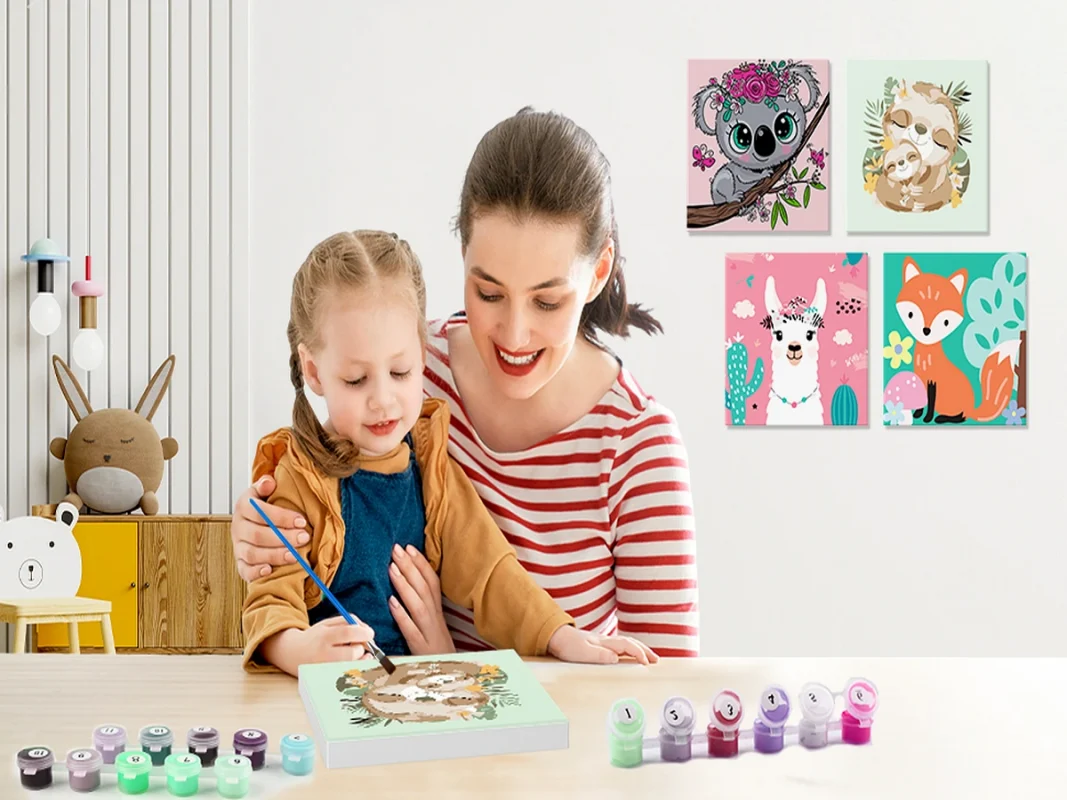
One thing that often gets overlooked is how important finishing something can be for kids. With paint by numbers for kids, the goal is clear and the end feels reachable. When the painting is done; whether its a little elephant, or a colorful kitty; it truly feels finished. Kids can hang it up or show it to someone. They can also look at it and know they completed it. That quiet sense of completion often lasts longer than praise alone.
A Screen-Free Option Kids Don’t Push Back Against
Not every screen-free activity works out. Some feel like chores in disguise. Painting by numbers rarely feels that way. It is hands-on, slow, and tactile, and because it does not compete with screens, children do not feel robbed.
They cannot be warned to quit; they are simply provided with something else to do.