Paint by Numbers Tips for Photo-Based Projects
Personalized paint by numbers is simple at its core. A photo is turned into a canvas, and from there it’s just a matter of painting one area at a time. That’s really it. Still, if you’ve never done this before, a few paint by numbers tips can make the whole experience smoother and save you from small frustrations along the way.
What paint by numbers actually is
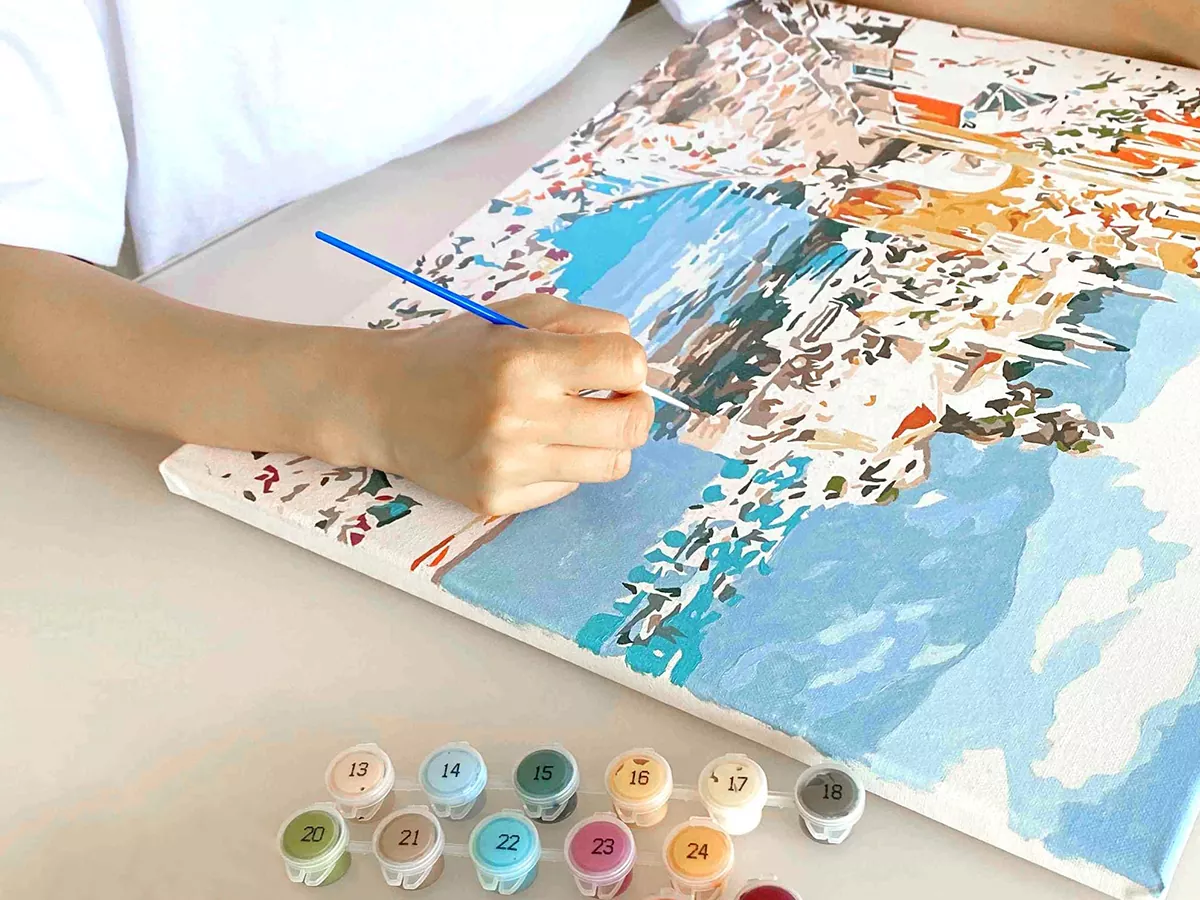
Paint by numbers has been around for decades. It’s not new. A picture is broken into small areas, and each area is assigned a color. The colors are already decided, and each section has its place. The process is guided from start to finish.
That structure is the whole point. It removes pressure. You’re not trying to be good at art. You’re just painting. For a lot of people, that’s exactly why it works.
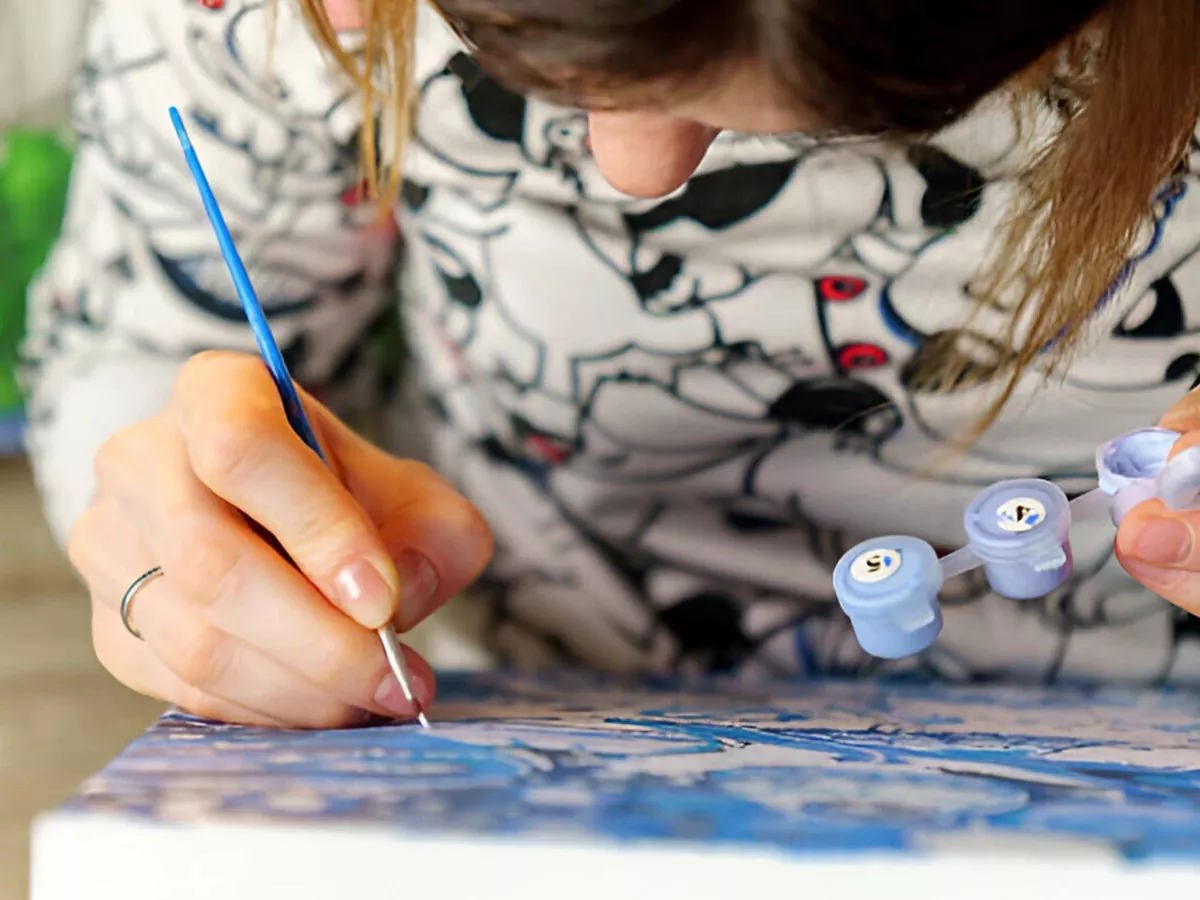
What makes a photo-based project different
When you’re working from a photo, things change slightly. You’re not painting a random abstract design. You’re painting something familiar. That makes you pay more attention, especially to faces, shadows, and small details.
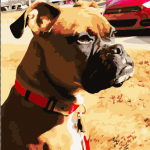
One of the most useful paint by numbers tips here is choosing the right photo. Clear images with good lighting almost always work better. Photos where faces are too far away or backgrounds are very landscape busy tend to get simplified during the conversion, which can surprise people if they don’t expect it.

What you actually get in the box
You don’t need extra supplies. The kit comes ready.
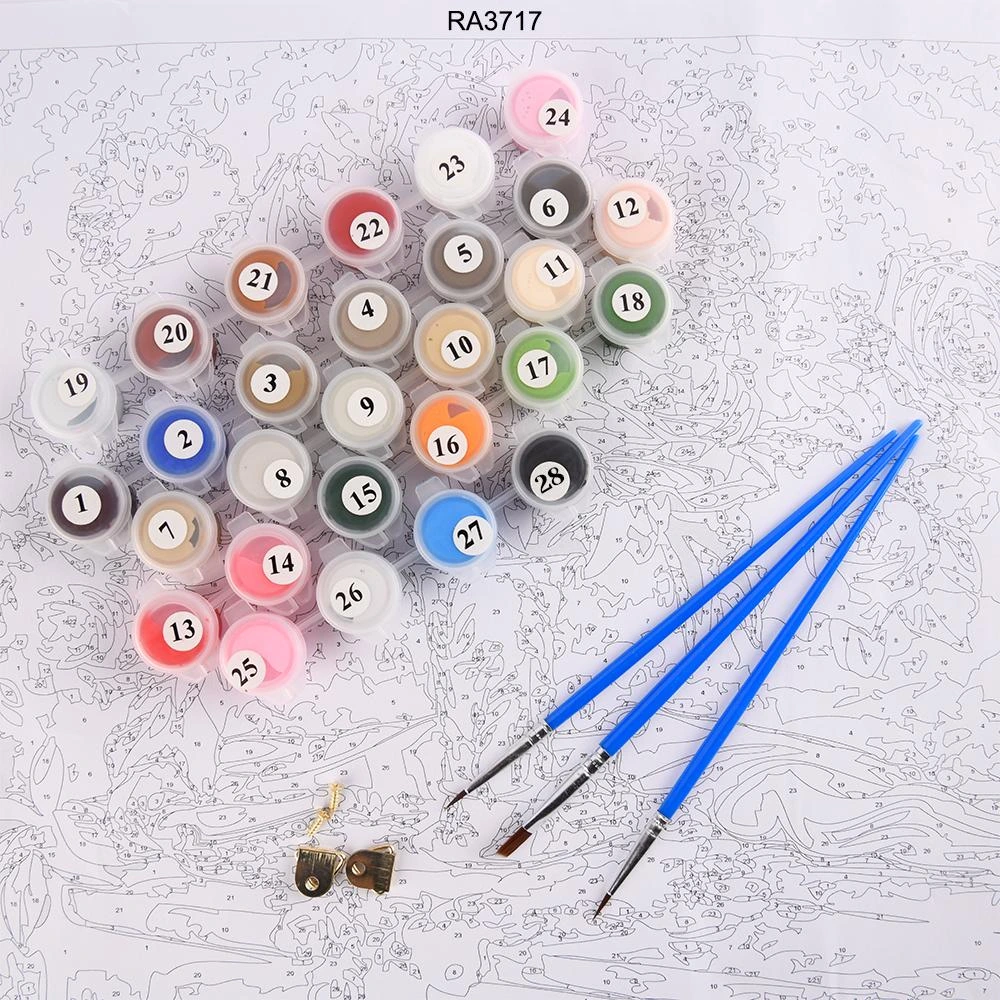
Inside, you’ll find:
- A canvas printed from your photo
- Small paint pots matched to the design
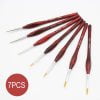
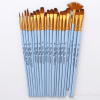
- A few brushes
- Basic instructions
Nothing fancy. Just what you need to start painting without overthinking it.
About canvas sizes
Most people go with 16 × 20 inches. It’s a safe choice. Big enough to show detail, but not so big that it becomes tiring to finish.
Larger sizes can be a good idea for group photos or images with a lot going on. Bigger sections usually mean fewer tiny areas, which is one of those practical paint by numbers tips people appreciate only after starting.
Paint colors and how they’re used
Most kits include around 24 colors, sometimes more, sometimes less. It depends on the photo.
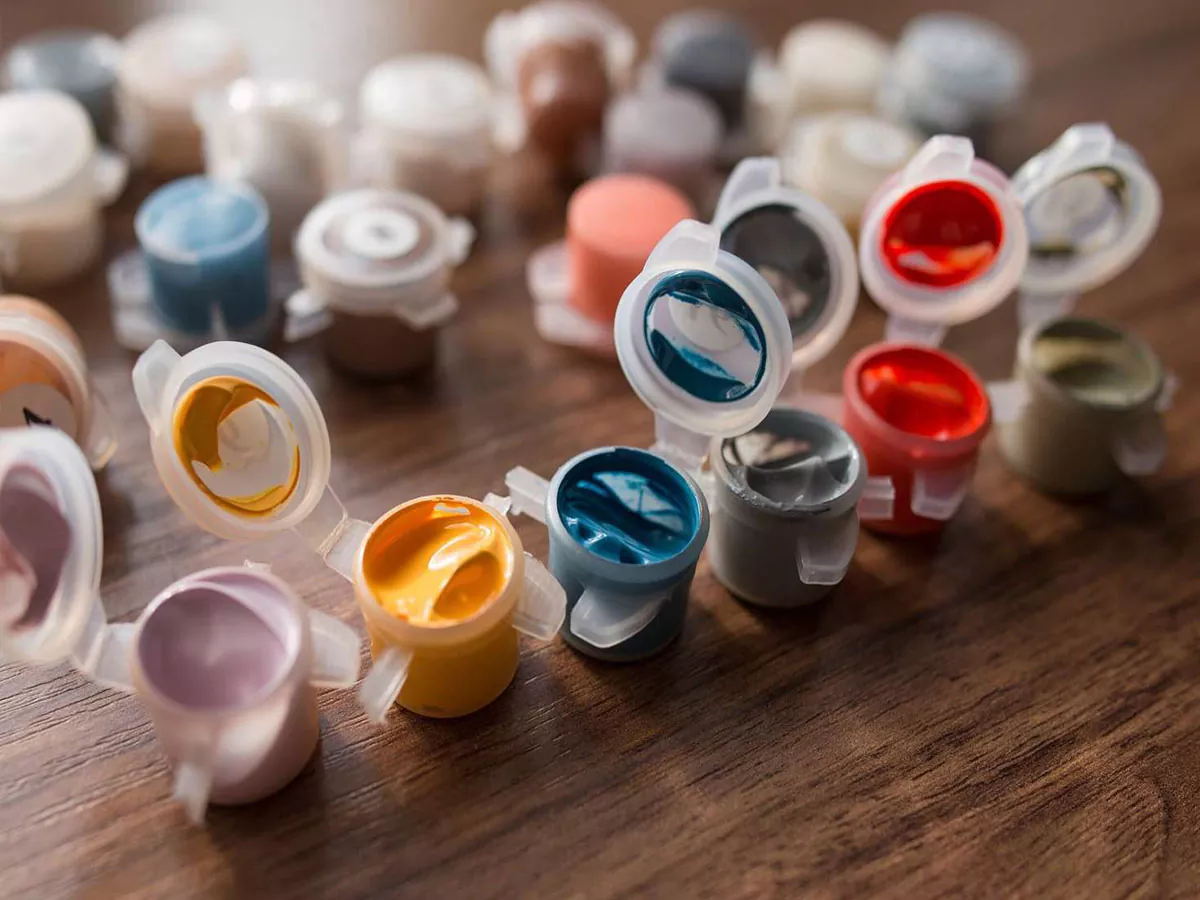
You don’t mix paints. Each color is already chosen and numbered to match the canvas. That’s what keeps the process simple and beginner-friendly.
Do you need more than one coat?
Usually, no. One layer covers fine.
Lighter colors like white, cream, or pale yellow may need a second pass. That’s normal. Let the first coat dry and go over it again if needed. Rushing this is one of the most common mistakes people make.
How long it takes to finish
There’s no schedule. Some people finish in a weekend. Others take weeks.
One of the most honest paint by numbers tips is this: paint in short sessions. Stop when you feel tired. The result is almost always better when you don’t force it.
Drying time
Acrylic paint dries fast. Most areas dry to the touch in about 10 to 15 minutes.
That’s enough time to keep moving without worrying about smudging nearby sections.

Cleaning brushes (don’t skip this)
Rinse your brush when you switch colors. Always.
At the end of the day, clean it properly. Water is usually enough. A bit of mild soap helps if paint starts drying in the bristles. Don’t leave brushes sitting in water — they bend and stay that way.
What to do when it’s finished
When you’re done, it’s a finished painting. Not a craft project.
You can frame it, hang it, give it as a gift, or leave it unframed. Acrylic paint holds up well on its own. If you use glass, a matte helps protect the surface.
One honest thing to keep in mind
Paint by numbers isn’t about tips and tricks, speed or perfection. Some areas will look better than others. That’s normal.
If you enjoy the process, the final result usually takes care of itself.