Art speaks silently and without uttering a word. It may evoke strong feelings, preserve history, and occasionally fetch absolutely astounding values. The most expensive paintings ever sold represent more than simply monetary achievements. They stand for ardor, heritage, and times when innovation changed people’s perspectives on the world.
Why the Most Expensive Paintings Capture Global Attention
When a painting reaches a price in the hundreds of millions, curiosity almost comes automatically. You start asking yourself what sets it apart from everything else. It’s rarely just about appearance. There’s usually a long trail behind it; the artist who made it, the time it belongs to, and the fact that it even survived to be seen today. For collectors, buying art at that level isn’t really about ownership. It’s about connecting with a feeling and keeping hold of a small piece of shared human history.
Because they blend culture, mystery, and status, these record-breaking art purchases frequently generate global conversation. Every transaction feels more likely a historical occasion than a simple purchase or sale.
What Makes These Expensive Paintings Worth So Much?
Art becomes valuable for a mix of reasons, and it’s rarely just one thing. It has to be original, hard to come by, and influential in some way, but it also needs to make people feel something. A true masterpiece by someone like Leonardo da Vinci or Jackson Pollock can’t really be replaced or repeated. Every brushstroke shows a choice the artist made in that moment, and that sense of personality and experimentation doesn’t disappear just because time has passed.
In many cases, these works also mark turning points in art history, which further elevates their significance and price.
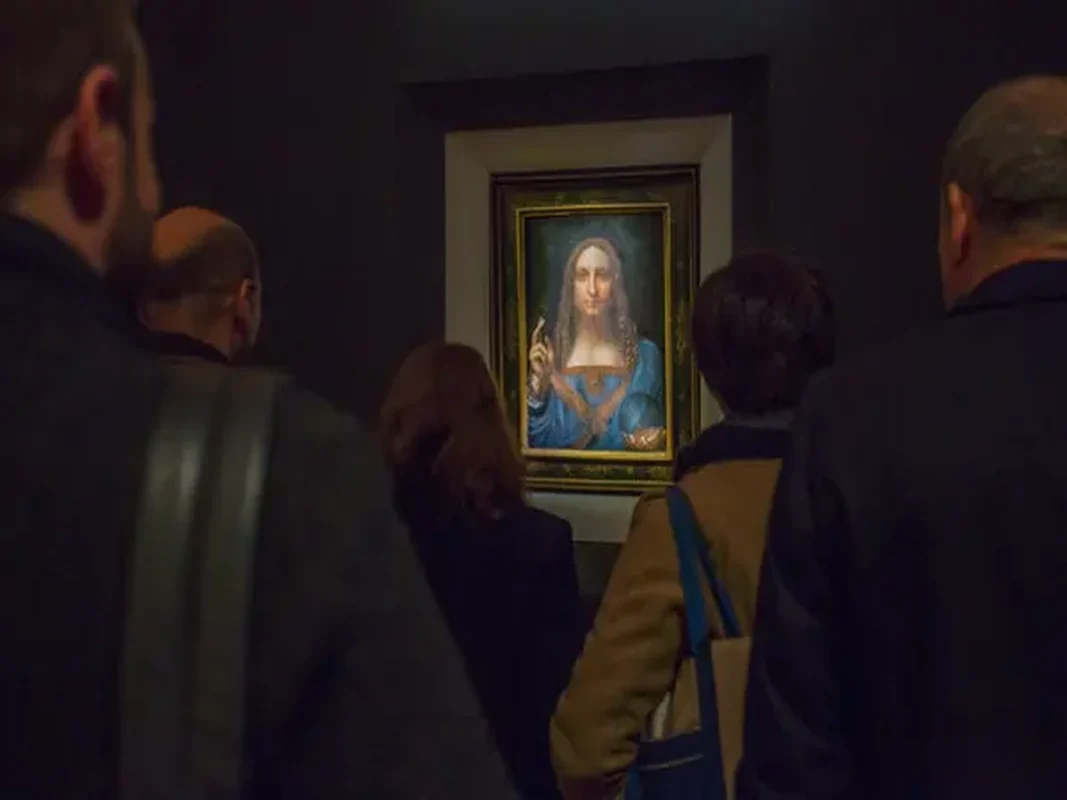
Salvator Mundi by Leonardo da Vinci $450.3 Million
There’s a reason Salvator Mundi always comes up first when people talk about the most expensive paintings. Its story is almost as famous as the image itself. The painting shows Christ as the “Savior of the World,” calm and steady, holding a crystal orb. For centuries, no one even knew where it was. When it resurfaced in 2005, it didn’t come quietly. Questions, doubts, and debates followed for years. Then came the sale; $450.3 million; a moment that completely reset expectations around record-breaking art sales. Even today, there’s something restrained and powerful about the image that stays with you longer than you expect.
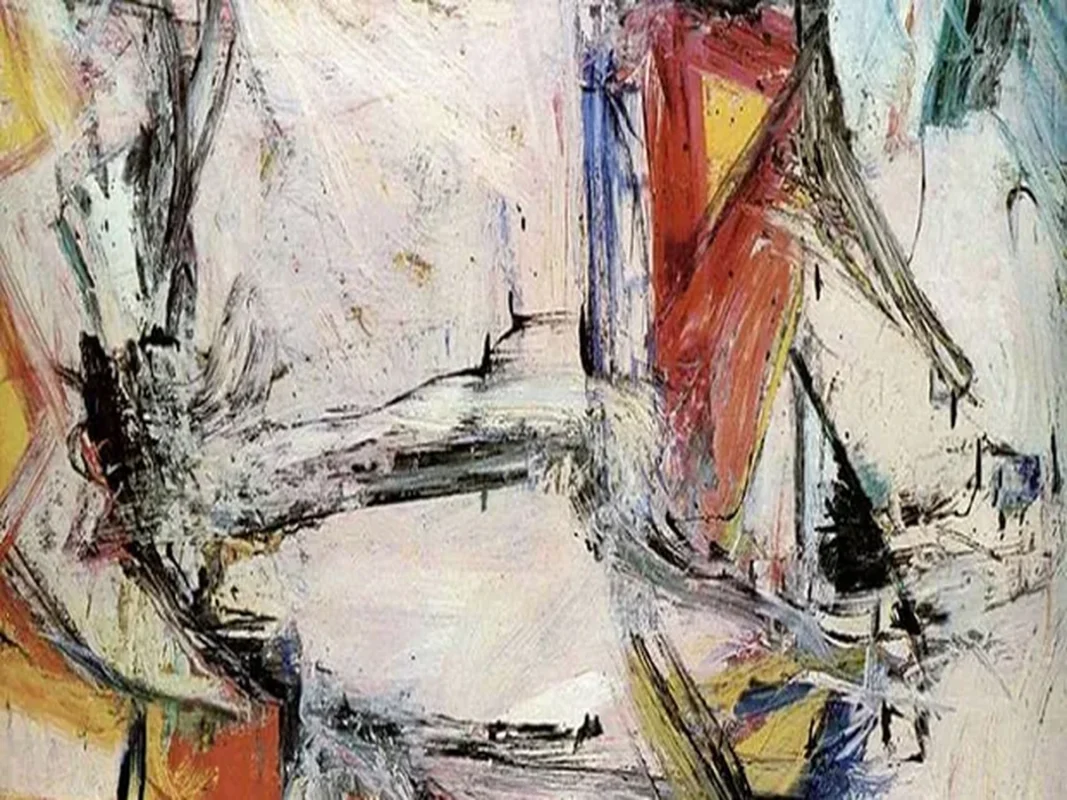
Interchange by Willem de Kooning $300 Million
Interchange doesn’t give your eyes a place to rest. Painted in 1955, it feels restless, almost unsettled, like the canvas is still in motion. Colors slide into each other, lines overlap, and nothing stays neatly in place. Willem de Kooning’s approach is bold and emotional, but never controlled in an obvious way. When the painting changed hands quietly in 2015 for $300 million, it didn’t need much explanation. It stood as proof that modern art, with all its mess and intensity, still holds serious weight.
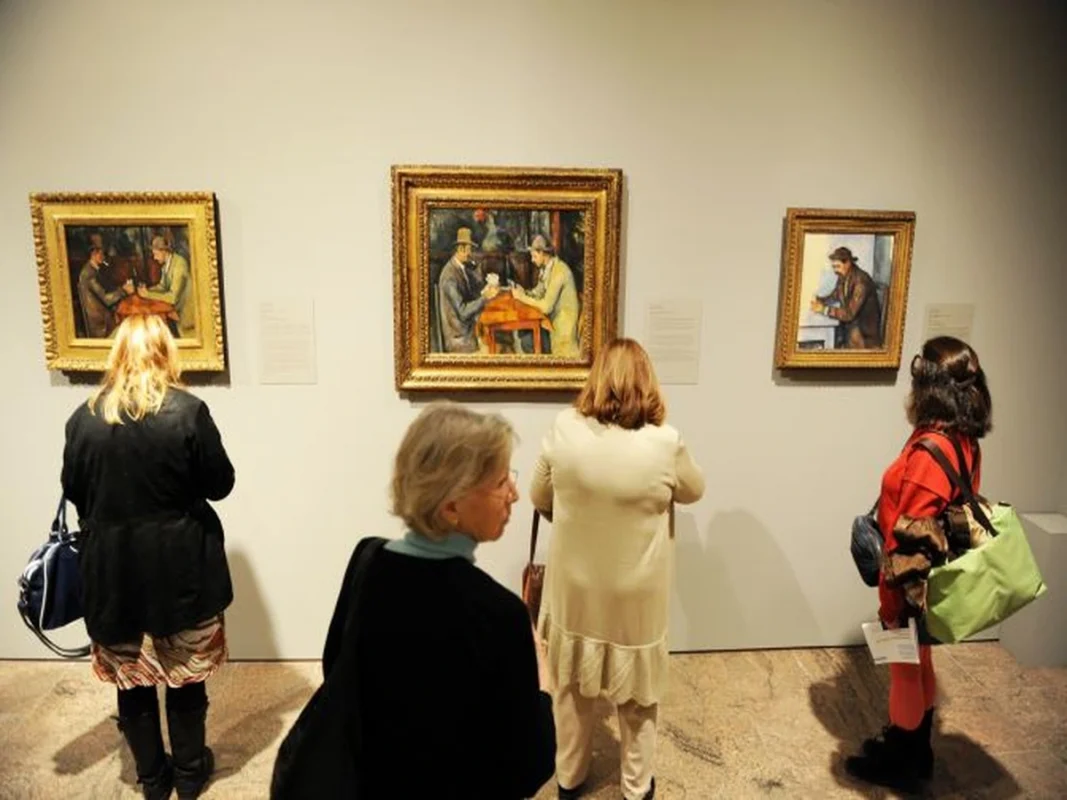
The Card Players by Paul Cézanne $250 Million
Compared to the energy of abstraction, The Card Players feels almost silent. Paul Cézanne places two men at a table, focused on a game that doesn’t seem to matter much at all. There’s no drama, no urgency. At first, it can feel plain. Then you linger, and the details start to settle in; the patience, the repetition, the feeling of everyday life passing slowly. When the painting was bought by the Qatari royal family in 2011 for around $250 million, it quietly made its point. Not everything powerful needs to shout.
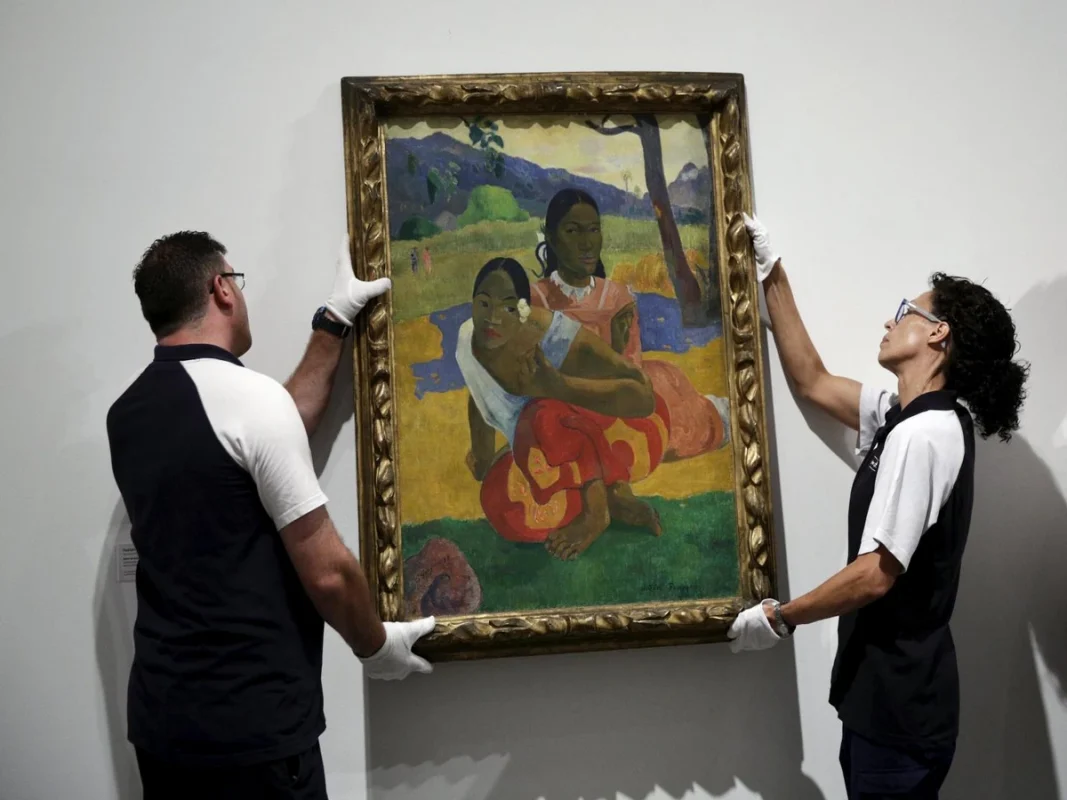
Nafea Faa Ipoipo? (When Will You Marry?) by Paul Gauguin $210 Million
When Will You Marry?, painted in 1892, carries the influence of Tahiti in its colors and mood. Paul Gauguin places two women next to each other, their expressions calm, the atmosphere warm and symbolic. The painting feels personal rather than dramatic. Its sale for roughly $210 million highlights Gauguin’s lifelong effort to capture beauty in a more honest, expressive way.
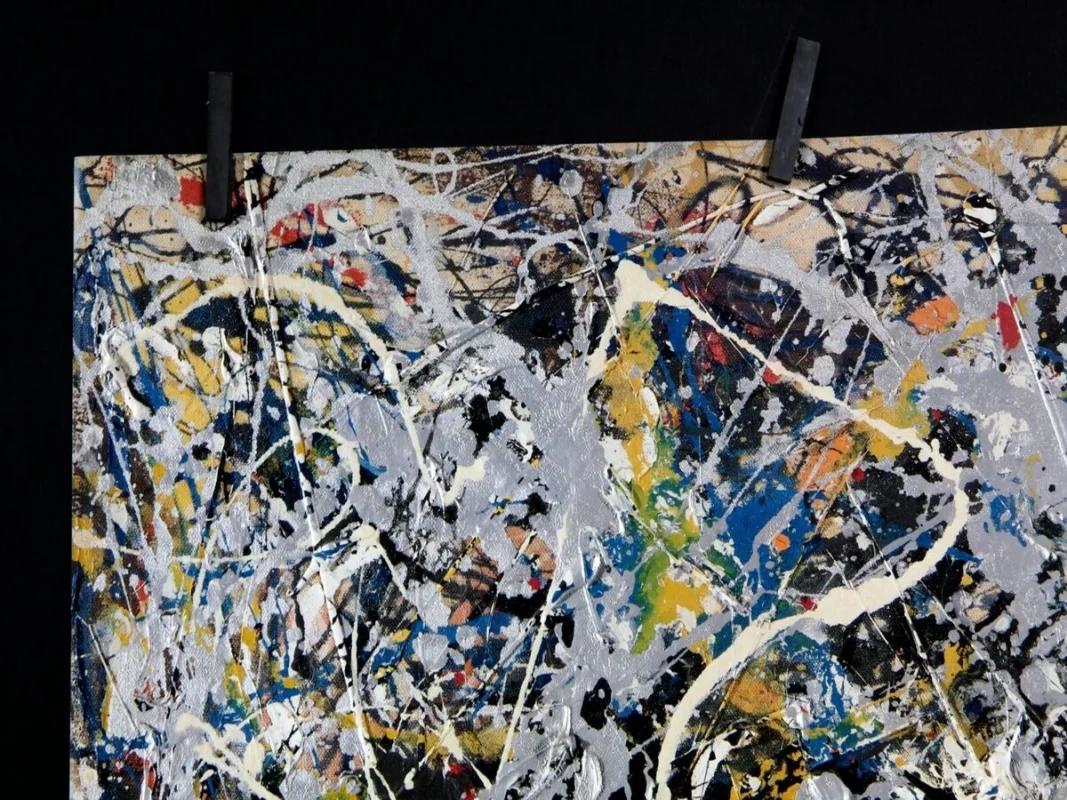
Number 17A by Jackson Pollock $200 Million
If freedom had a visual form, it might look like Number 17A. Pollock’s rhythmic drips and splatters balance chance with control. Sold for $200 million in 2016, this expensive paintings challenges traditional ideas of structure and shows that emotion alone can carry immense value.
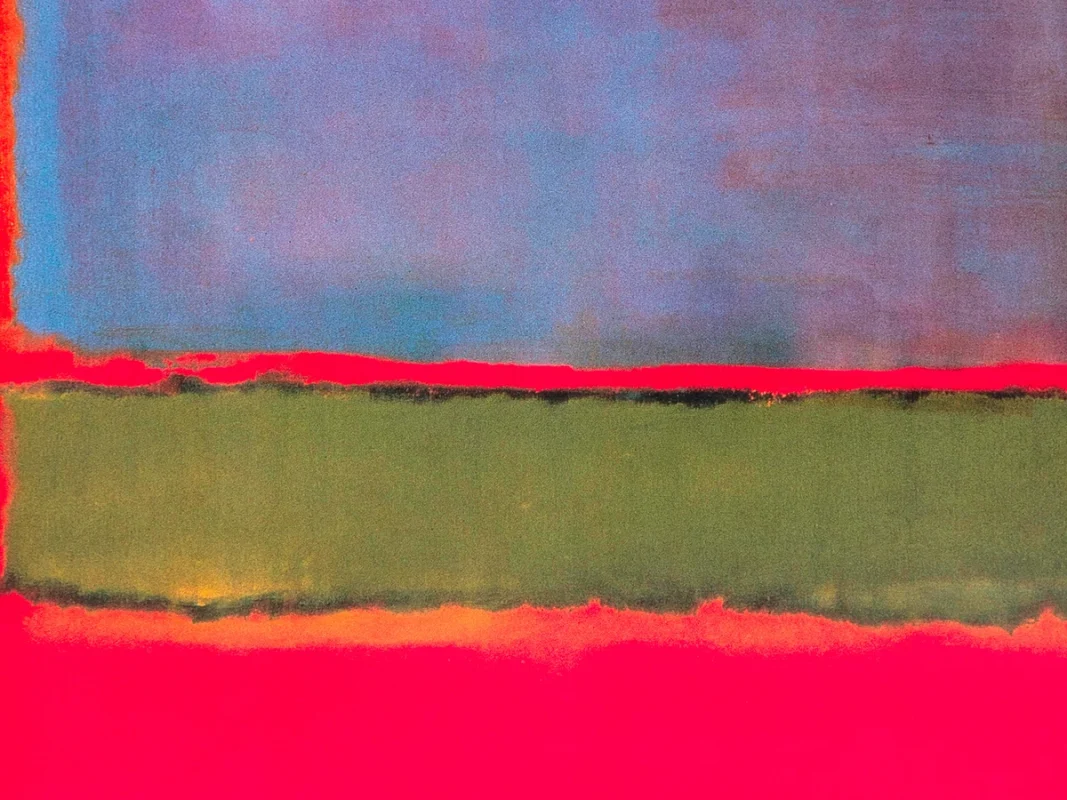
No. 6 (Violet, Green and Red) by Mark Rothko $186 Million
Rather than shouting, Mark Rothko whispers. Large fields of color invite quiet reflection and personal interpretation. When No. 6 sold for $186 million, it reinforced the idea that restraint and simplicity often leave the strongest impact.
What These Expensive Paintings Sales Teach Us
No amount of money can fully express the story that each work tells. It has to do with how we feel, how we connect with others, and our need to make things last. There are different kinds of beauty. Between Pollock’s crazy abstraction and da Vinci’s holy reality, these works show the wide range of ways that people can be creative. Art will always be art because every artist sees the world in their own way.
Bringing Art into Your Everyday Life
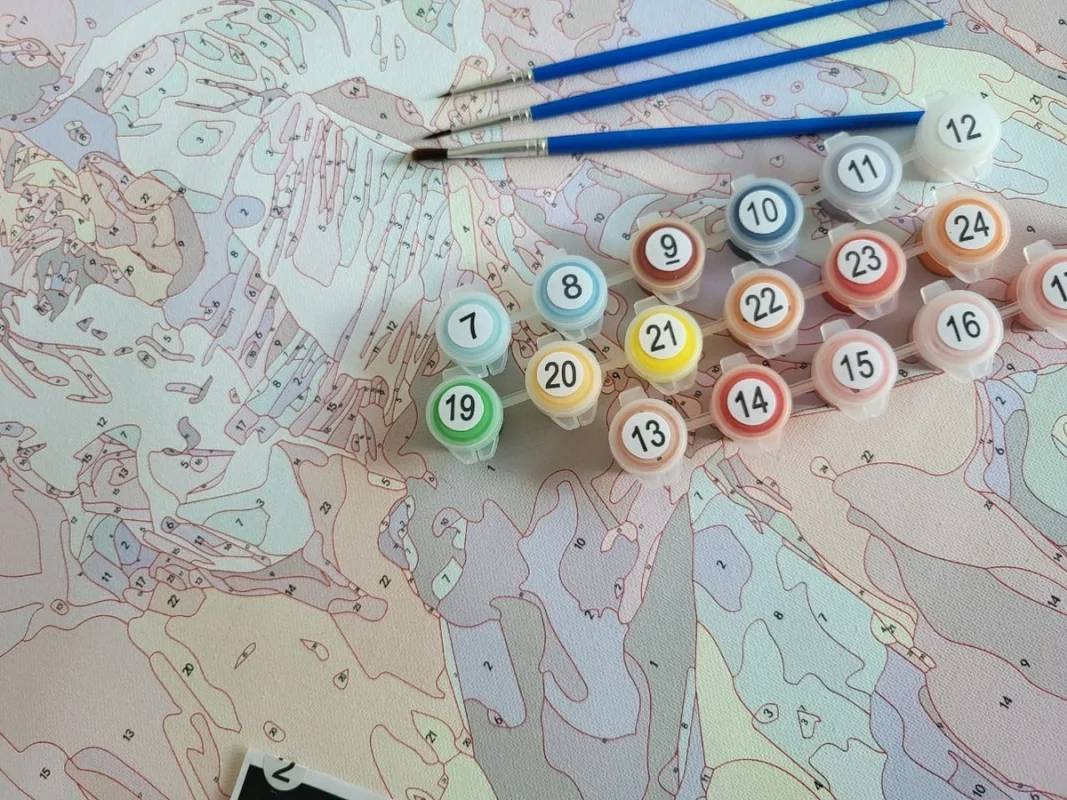
You don’t have to spend a lot of money to make space for art in your life. Sometimes it starts with something small and personal, right at home. Paint By Numbers Customized Kits make that easy, especially if painting feels intimidating at first. You move at your own pace, filling in each section as you go, and before long it becomes almost meditative. Whether you’re working on an abstract design, a landscape, animals, or a personal photo turned into a custom kit, it still feels like your piece. By the end, finishing the picture matters less than the calm, unhurried moments you spent with the brush in your hand.
It is a reminder that there are no boundaries to creativity that the most expensive paintings ever sold. A pulse that never stops beating is contained inside every masterpiece, regardless of whether it is displayed in a museum or hidden away in a private collection. And although only a small percentage of us will ever be able to buy da Vinci, anybody may feel the same spark of creativity. Whether it’s via a trip to the museum or your very own paint by numbers endeavor, art has the power to link us to beauty, to history, and to ourselves. For the reason that, in the end, the actual value of art is not in its price tag; rather, it is in the degree to which it makes us feel.