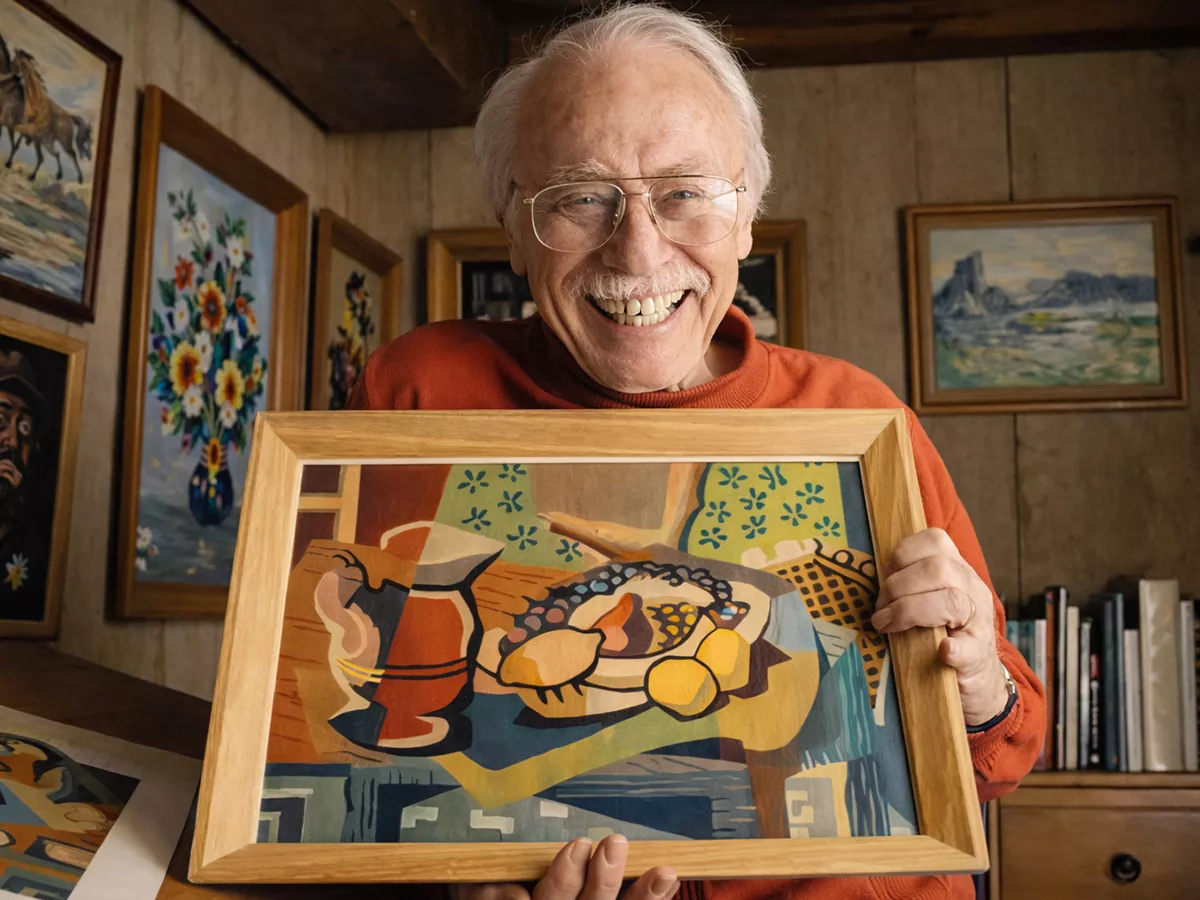
Most people recognize paint by numbers instantly. Fewer know the name behind it, or how the paint by numbers origin traces back to one quiet decision rather than a grand artistic movement.
Dan Robbins wasn’t a famous artist in the traditional sense. He didn’t chase galleries or critics. His work didn’t hang in museums at first. Yet his idea ended up on millions of kitchen tables across the United States in the 1950s.
Robbins passed away at 93 in Sylvania, Ohio, after years of good health followed by a difficult final period, according to his son. By then, the thing he created had long outlived its original moment.
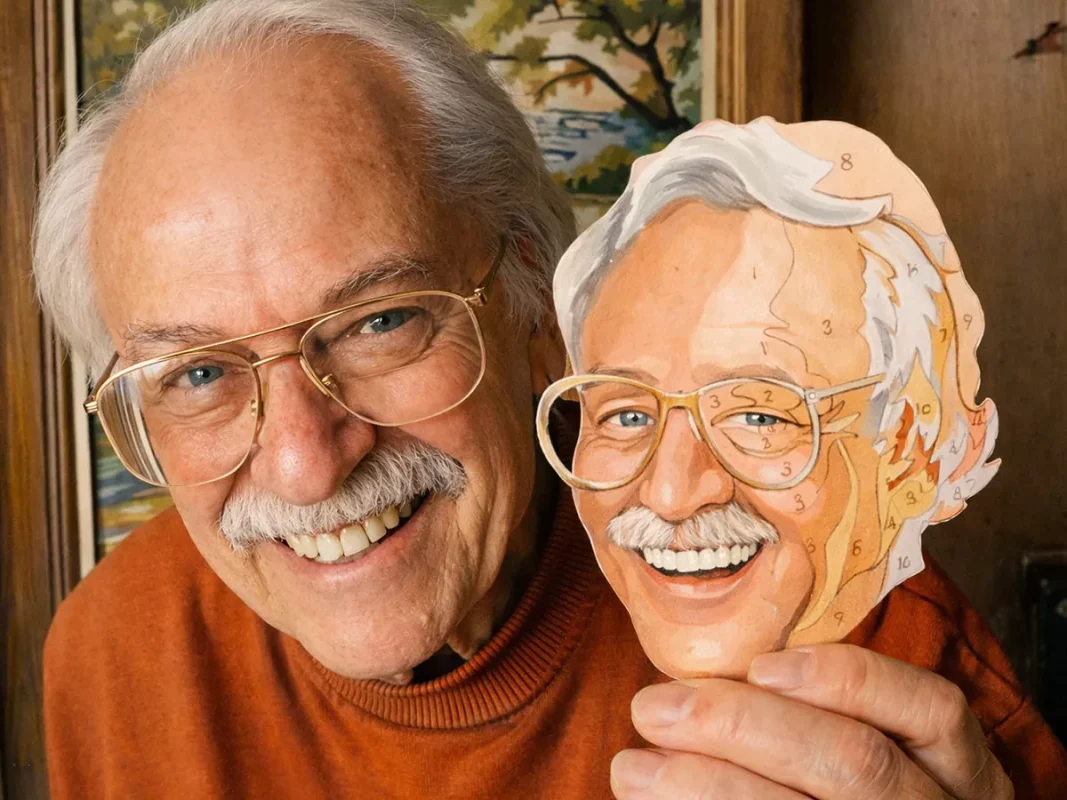
An idea borrowed, not invented from scratch
Robbins never claimed to invent painting itself. What he did was reorganize it.
In interviews later in life, he pointed to a story about Leonardo da Vinci, the idea that structured patterns and numbered guides were sometimes used to teach students. Whether or not the historical detail was exact mattered less than the impulse behind it. Robbins wondered what would happen if guidance didn’t disappear once you became an adult. That question sits at the heart of the paint by numbers origin.
So he tried it. The first version was rough. An abstract still life, more concept than product. When he showed it to his employer, Max Klein, the reaction was blunt. Klein reportedly hated it, calling it too easy. That criticism would follow paint by numbers for decades.
Popular before it was respected
Paint by numbers didn’t grow slowly. It spread fast.
In postwar America, people were settling into new routines. Homes were changing. Leisure looked different. The kits fit that moment perfectly. They didn’t require training, confidence, or a belief that you were “creative.” You just needed time. Critics dismissed them as shallow. That judgment stuck for a long time. Paint by numbers was often treated as decoration, not expression. And yet, people kept buying them. The paint by numbers origin mattered less to consumers than the simple fact that the kits worked for everyday life.
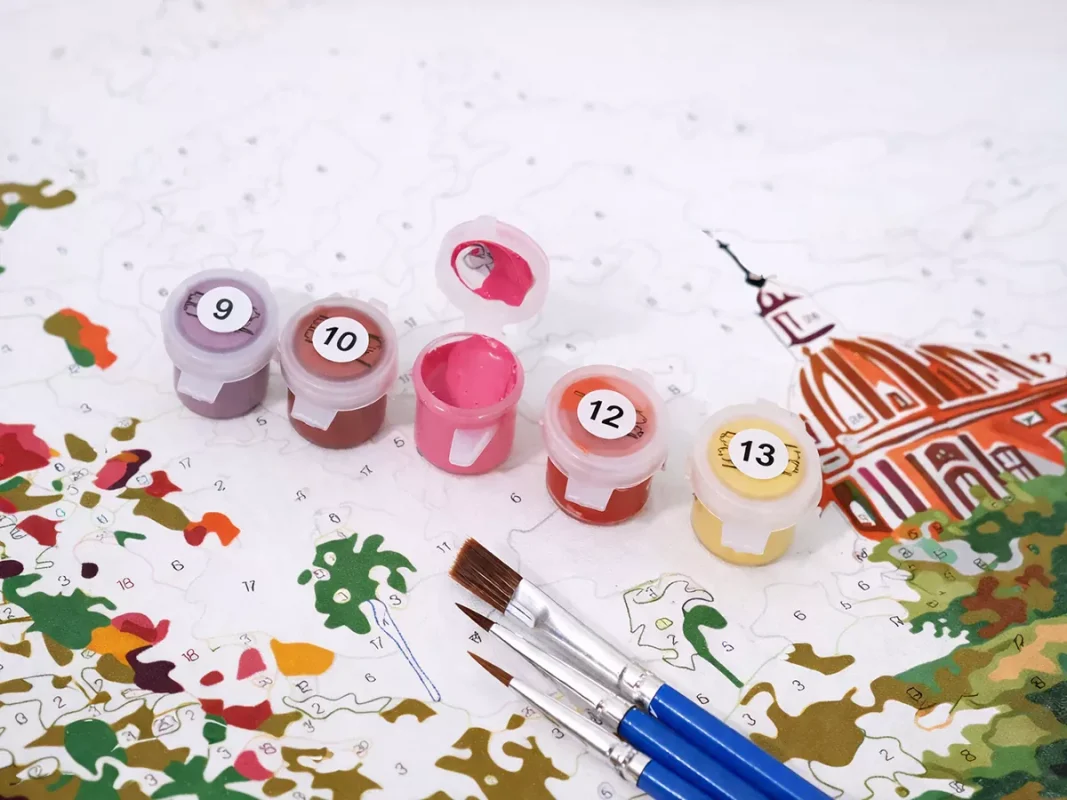
What paint by numbers looked like in real homes
Away from critics and headlines, paint by numbers lived a quieter life.
It showed up on kitchen tables after dinner. It was folded and unfolded between other routines. Some canvases were finished carefully. Others were left half-done and picked up again weeks later. Children worked next to adults. People talked while painting, or painted while the radio played. It wasn’t treated as art in the serious sense. It was treated as something to do.
That everyday quality mattered. Paint by numbers didn’t demand silence or concentration. It didn’t insist on completion. You could stop halfway, make a mistake, or lose interest for a while without feeling like you’d failed. The structure stayed patient.
For many people, that was the point. The paint by numbers origin wasn’t rooted in ambition or self-expression, but in occupying time in a way that felt steady and contained, especially in a period when daily life itself was changing quickly. That context explains why it endured even when it wasn’t respected. It fit into real homes, not idealized ones.
When history caught up with the idea
Years later, institutions began to look again.
Paint by numbers started to be understood not as failed art, but as cultural evidence, a reflection of who was allowed to make images, and how. Robbins’ work eventually entered the collection of the Smithsonian Institution’s National Museum of American History, not because it was complex, but because it was widespread. It told a story about access. Looking back at the paint by numbers origin helped historians understand why the kits mattered beyond their surface simplicity.
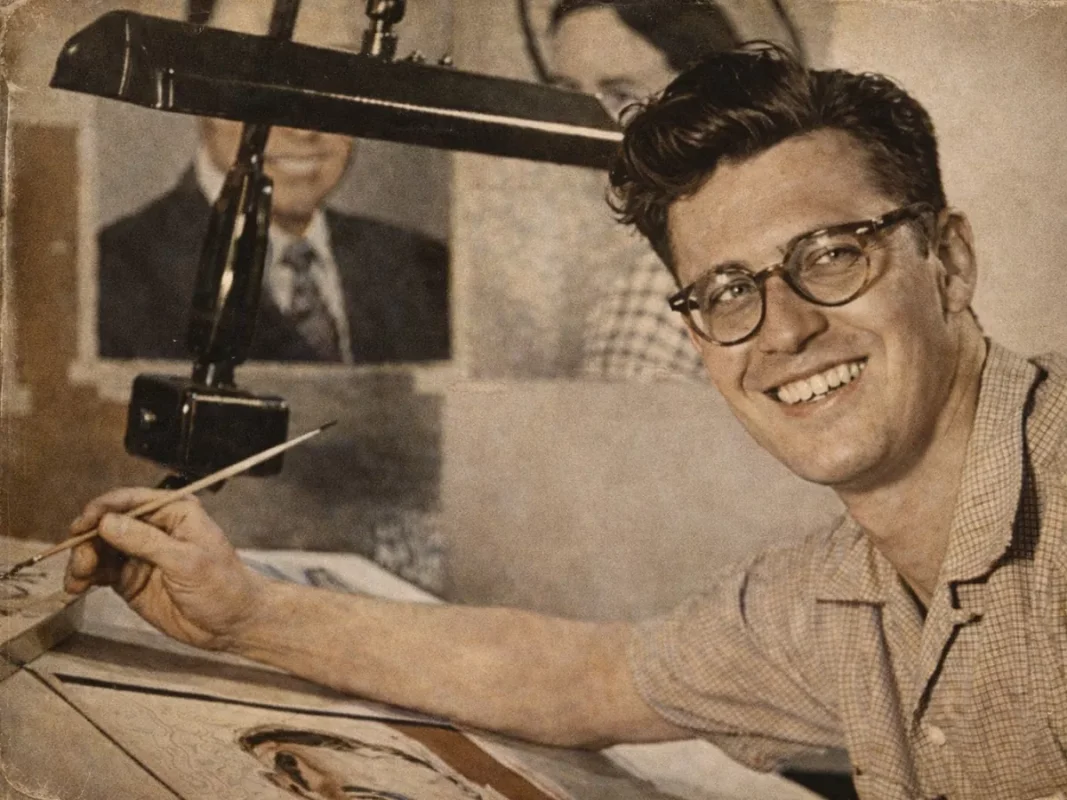
Why the idea still works
Paint by numbers never asked people to be artists. It asked them to participate.
That’s why it survived trends, criticism, and changing tastes. The structure did the heavy lifting. People brought their patience, their time, and their attention. Some followed the numbers exactly. Others didn’t. The system allowed both. Robbins didn’t remove creativity from painting. He lowered the entry point.
Remembering Dan Robbins without overstatement
Dan Robbins didn’t create a revolution. He created permission.
- Permission to try.
- Permission to pause.
- Permission to make something without needing approval.
That quiet generosity is why paint by numbers still exists today. The paint by numbers origin wasn’t about ease or novelty. It was about access. And that idea, simple as it seems, turned out to be lasting.