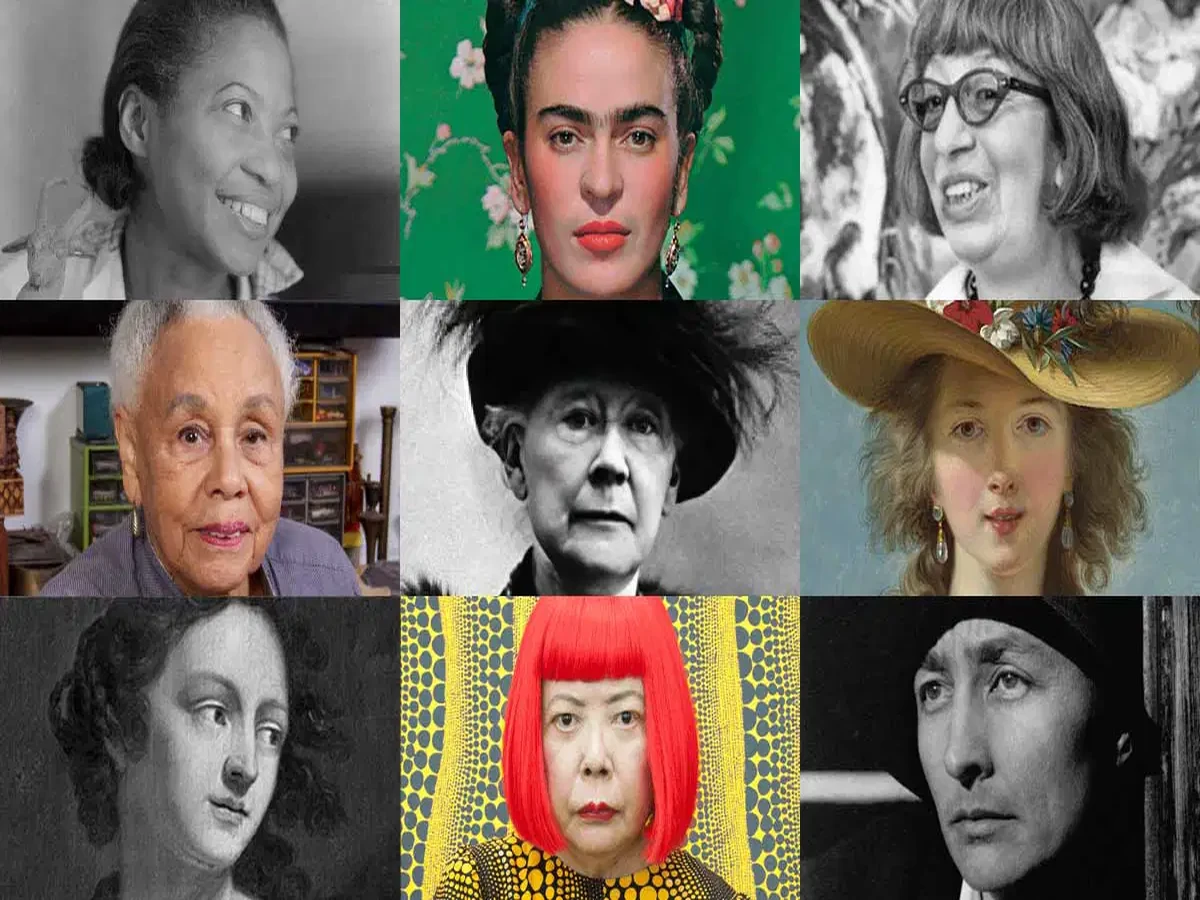
In the history of art, the 20th century was a landmark. Traditions were questioned, styles changed quickly, and new viewpoints eventually gained prominence. Renowned women painters who refused to be ignored were among the largest and strongest voices. Their work addressed how art might express distinctness, emotion, and independence in addition to establishing new aesthetics.
At a time when recognition often came slowly; or not at all; these artists pushed forward anyway. As a result, they reshaped modern art and secured their place among the most important female painters in art history.
When Art Became Personal, Not Just Technical: Famous Women Painters
Earlier periods often celebrated technique over truth. However, as the modern era unfolded, that balance began to shift. Painting slowly became a way to process identity rather than simply display skill.
For many women painters, this shift felt natural. Their work explored inner worlds, personal history, and emotional reality. As a result, art stopped feeling distant. It became relatable, sometimes uncomfortable, and deeply human. That emotional honesty is exactly why their work still resonates.
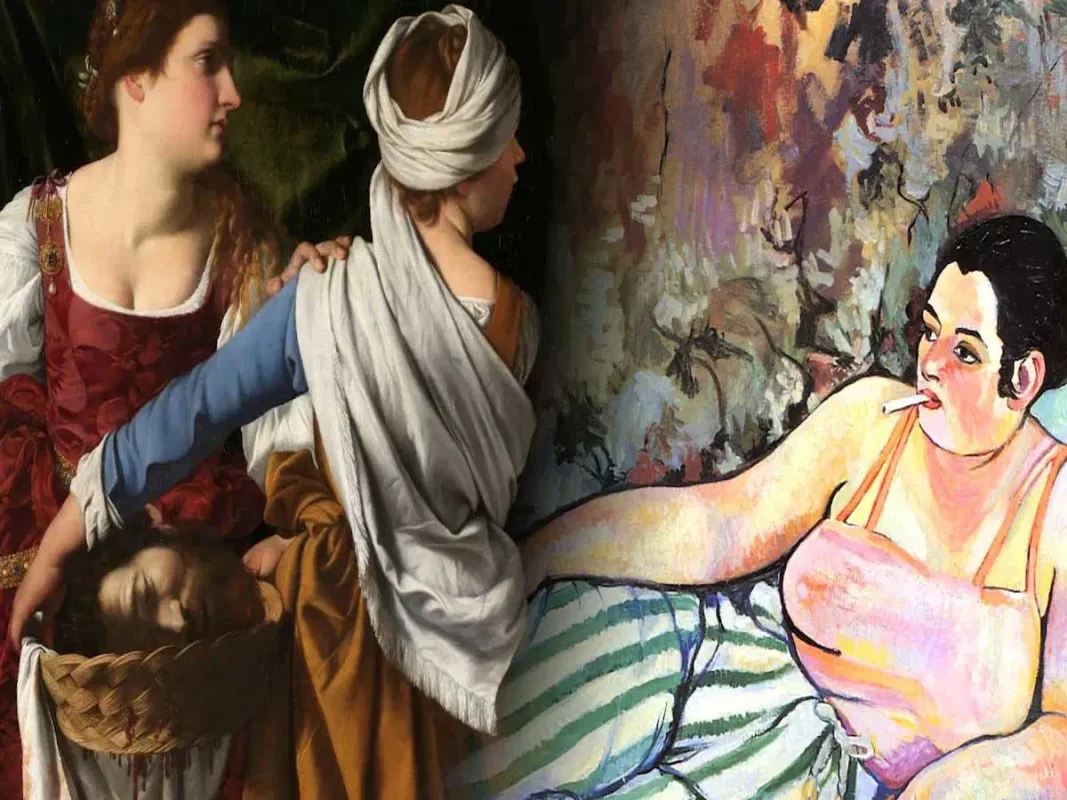
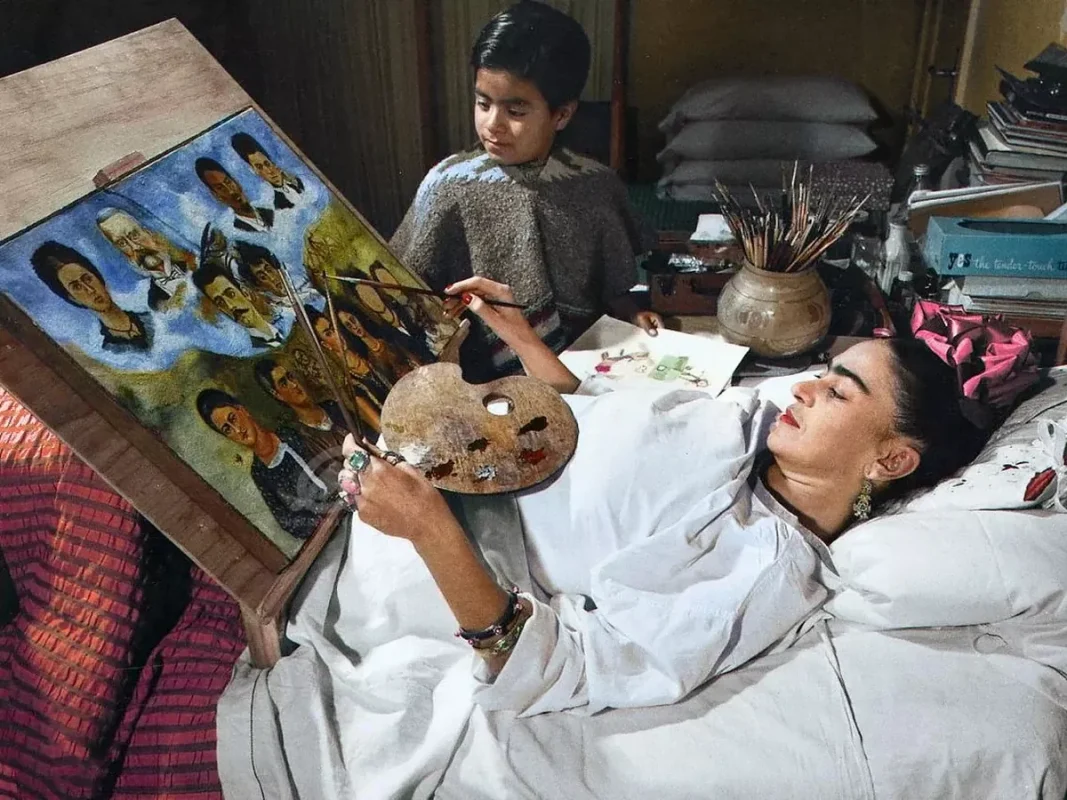
Frida Kahlo and the Power of Painting What Hurts
Frida Kahlo never separated her life from her work. Instead, she painted straight through it. Illness, heartbreak, cultural identity, nothing stayed hidden. Every canvas carried something real.
What made her stand out wasn’t only symbolism or color, but courage. Kahlo showed that vulnerability could hold authority. Through her paintings, she expanded what women painters could express publicly and opened space for countless others.
Georgia O’Keeffe and Learning to Look Slower
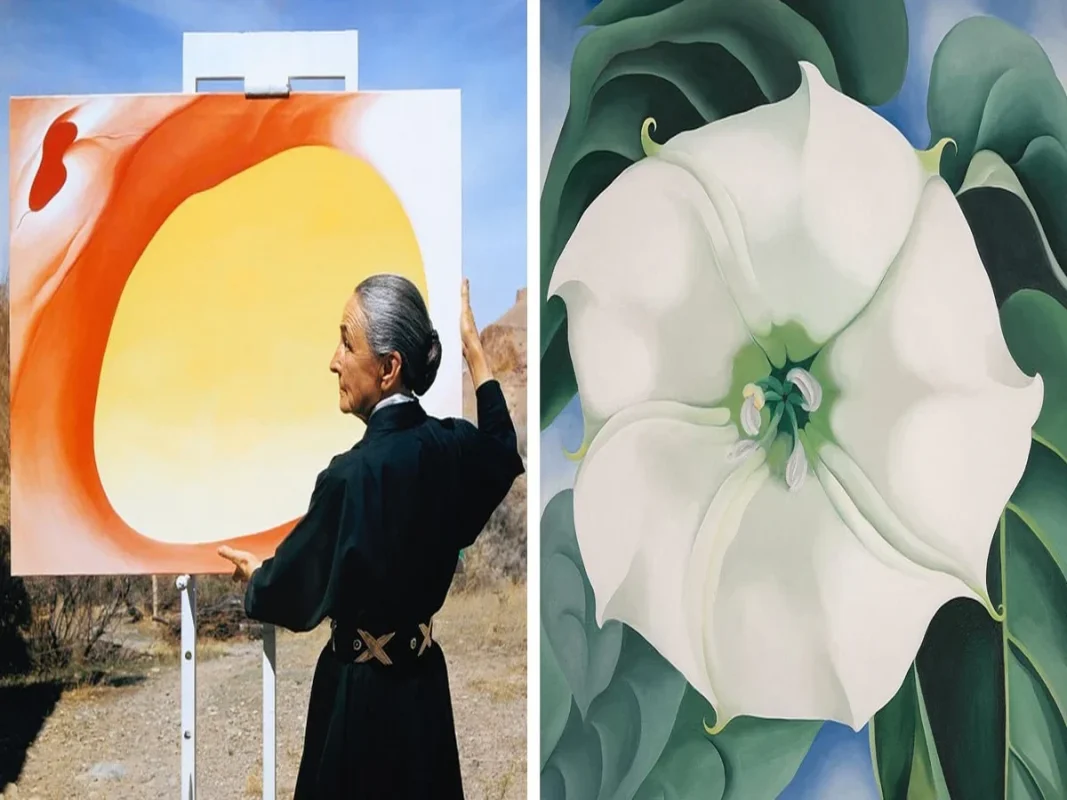
Georgia O’Keeffe went in a different direction. Even if her art was never loud, it was hard to neglect. She invited viewers to step back to take some time to examine by isolating patterns, flowers, and landscapes.
Her legacy was shaped by her calm confidence. She relied on her principles far more than following trends. As a result, O’Keeffe never had to defend herself and went on to become one of the greatest female painters in American modernism.
Lee Krasner and the Fight for Recognition
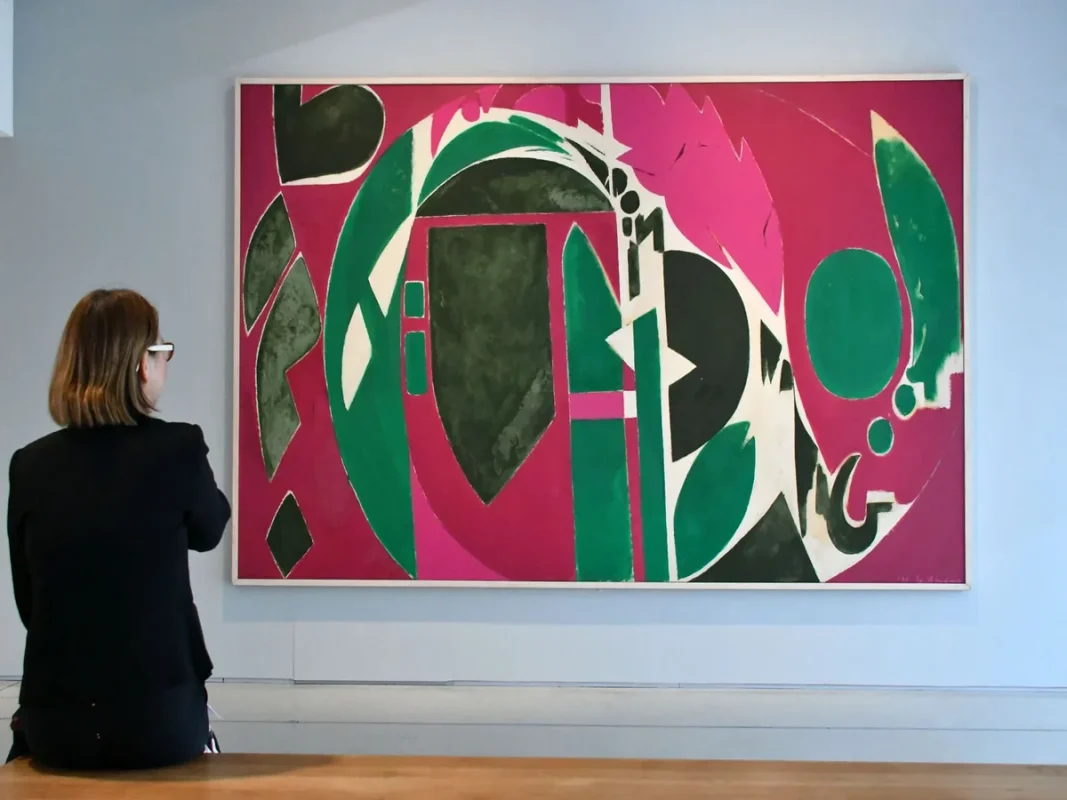
Abstract Expressionism was intense, emotional, and bold. It was also deeply male-dominated. Lee Krasner worked within that tension her entire career.
Instead of shrinking herself, she evolved constantly. Her work shifted in rhythm, structure, and energy, proving that women painters belonged at the center of experimental art. Today, her legacy is no longer secondary, it’s essential.
Tamara de Lempicka and the Confidence of Modern Femininity
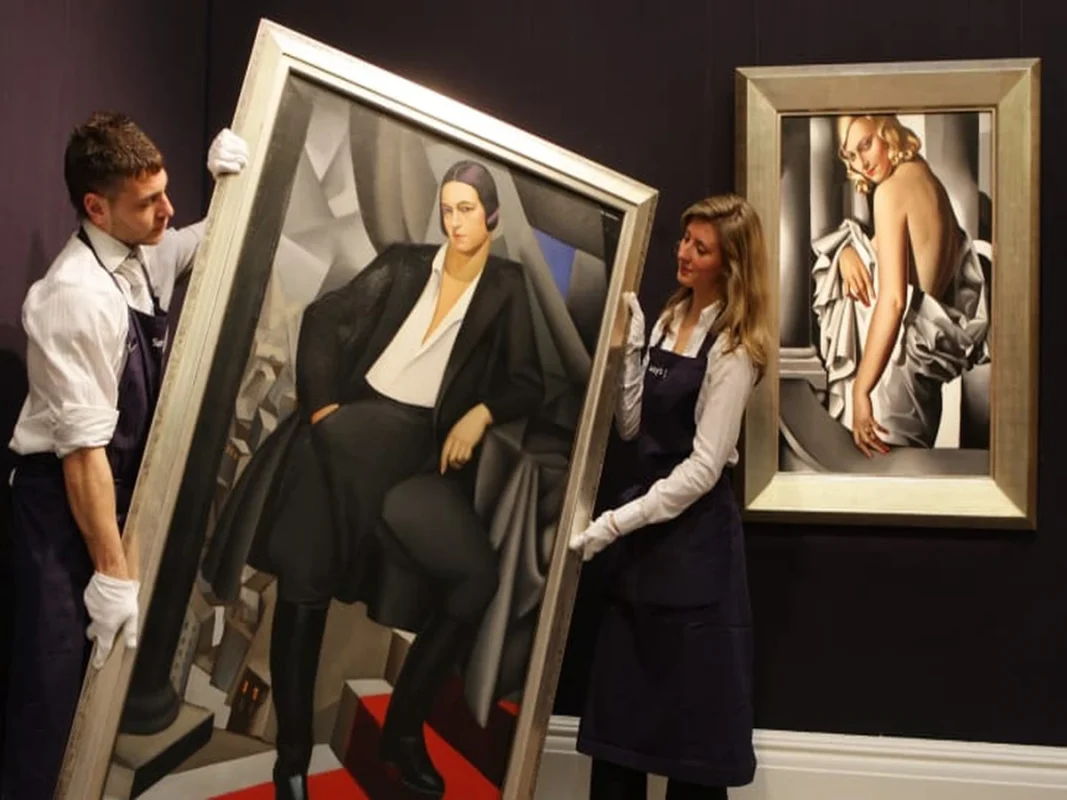
Women represented by Tamara de Lempicka showed up to be in charge of their own life. Her Art Deco style was characterized by glossy surfaces, sharp lines, and pure elegance.
Tamara pictures reflected the change of women’s freedom during an era when it was being drastically reshaped. Her art is still relevant today mainly since the confidence depicted in it is timeless.
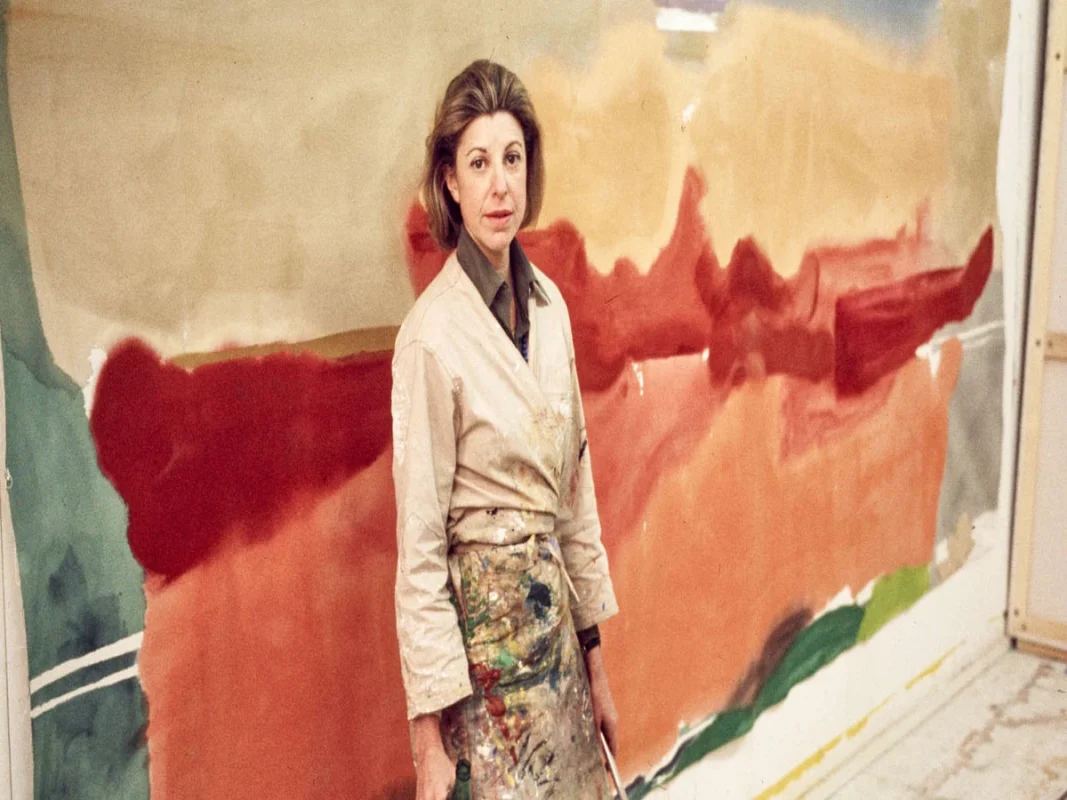
Helen Frankenthaler and Letting Color Decide
Helen Frankenthaler changed abstract painting by trusting movement over control. Her soak-stain technique allowed color to flow naturally, creating work that felt both planned and spontaneous.
This approach influenced an entire generation of artists. More importantly, it proved that innovation often comes from experimentation rather than perfection, something many women artists understood instinctively.
Where Women Painters Belong in Art History
These artists were never working in isolation. They responded to earlier masters while also pushing beyond them. By introducing perspective, emotion, and personal narrative, female painters expanded what art could communicate.
Their contribution didn’t replace art history, it completed it. Once these voices entered the conversation, the story became fuller and more honest.
Why Women Artists Still Matter Today
Museums keep choosing to exhibit their creations, but their impact is considerably broader. New generations gravitate to these female artists in studios, classrooms, and homes for permission to express themselves, try new things, and follow their gut feelings.
That spark of inspiration is quiet yet strong. It serves as a reminder that art is important regardless of societal acceptance.
Finding That Inspiration in Everyday Creativity
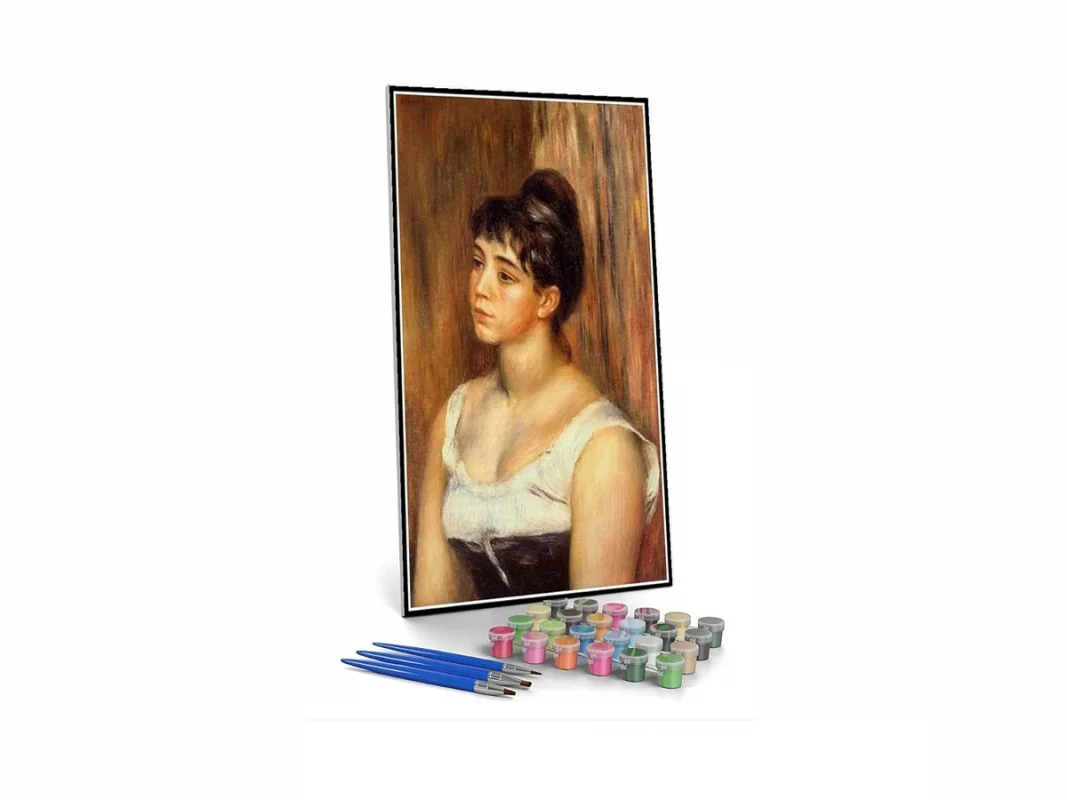
Creativity often grows through guidance before it grows through freedom. Many people first experience painting through Paint by Numbers, not because it limits expression, but because it removes early uncertainty. With the subject already mapped out, attention shifts to color choices, brush movement, and patience. That quiet focus is where confidence begins to form.
This approach mirrors how many women artists found their voice, working within expectations at first, then slowly reshaping them. The structure becomes a starting point rather than a boundary. Over time, painting turns into a habit of observation and trust, where creativity feels less intimidating and more personal.
A Legacy That Keeps Moving Forward
The real legacy of women painters isn’t confined to museums or timelines. It lives in how we create today more freely, more honestly, and with fewer rules about who belongs.
Because once those barriers fell, art finally began to reflect the world as it truly is.